Partner Organizations



Development Partners
The Platform for Collaboration on Tax is also supported by the governments of
France
Japan

The Netherlands

Norway

Switzerland

United Kingdom
 March 2-5, 2026
 Tokyo
Tokyo
The PCT Tax and Development Week brought together over 200 participants, including leaders from finance ministries and revenue administrations, representatives from PCT partners and other international and regional organizations, development partners, as well as select experts from academia and think tanks. The week began with the two‑day PCT Tax and Development Conference (March 2–3) at the Tokyo Prince Hotel.
The conference will convened over 200 participants from around 100 countries, including:
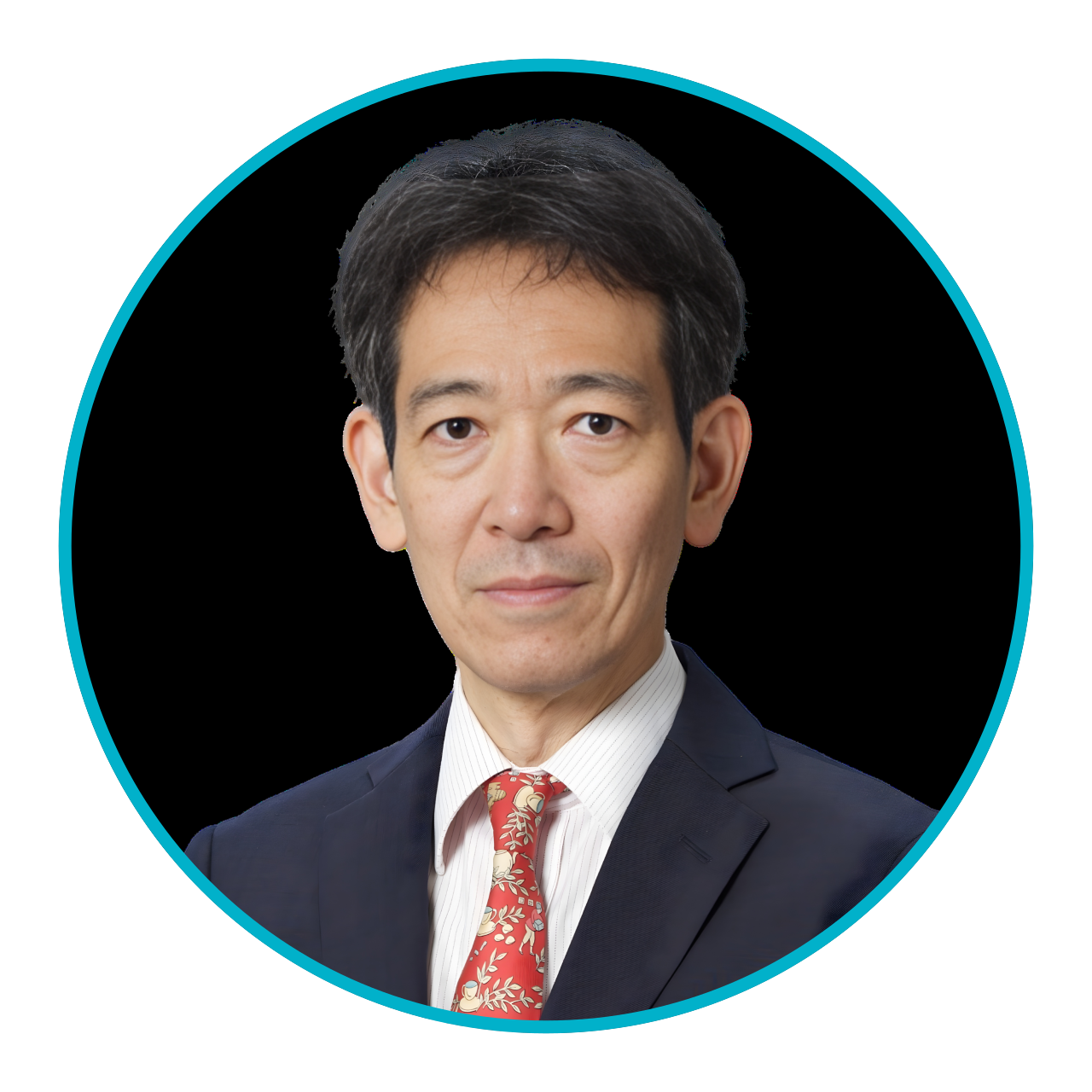
Mr. Atsushi Mimura
Vice-Minister of Finance for International Affairs, Japan
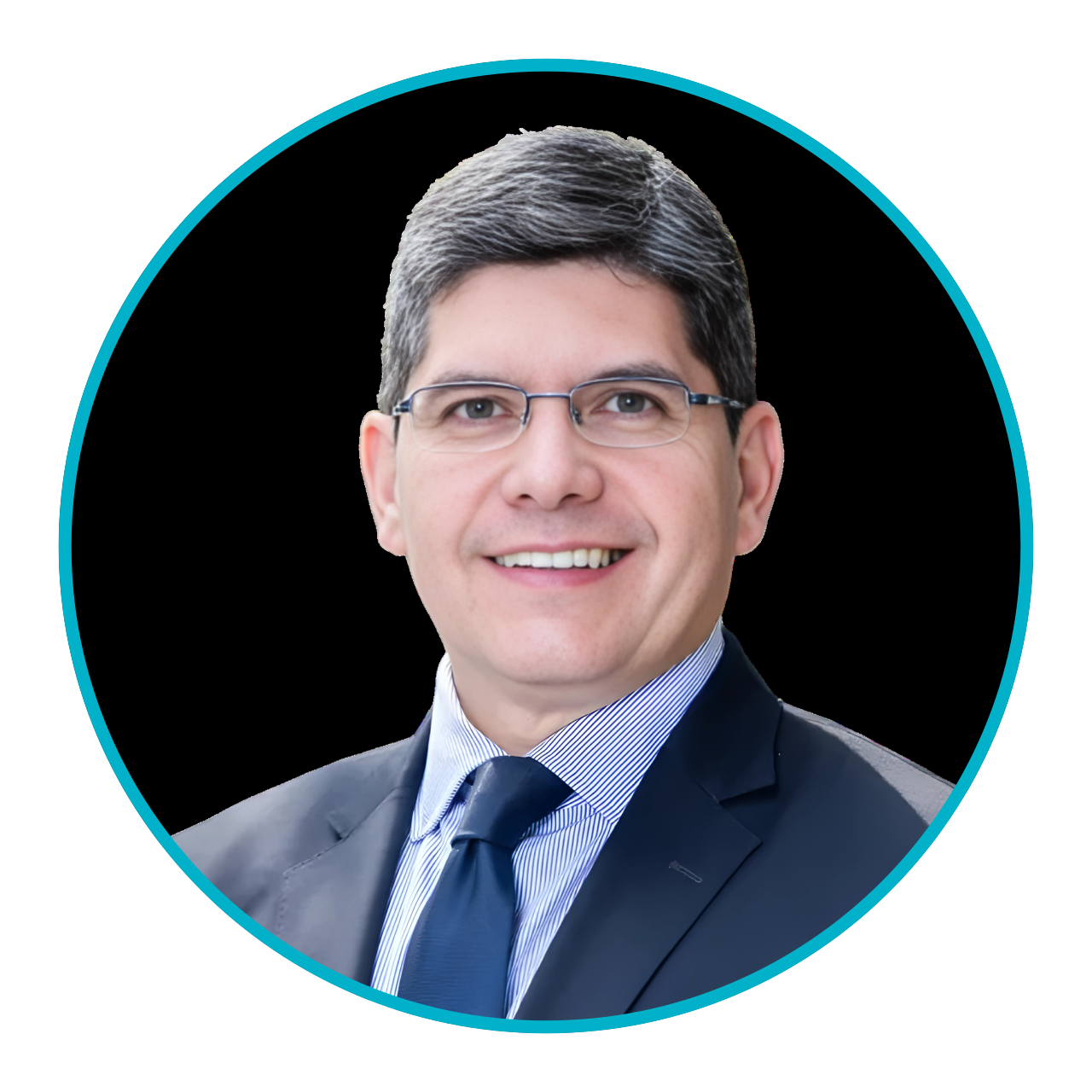
Mr. Pablo Saavedra
Vice President for the Prosperity Vertical of the World Bank Group (on behalf of PCT Partners)
In a short, focused opening exchange, the PCT principals will outline the key challenges, lessons, and priorities in building tax capacity for development, setting the agenda for the Conference and framing the sessions that follow

Mr. Michael Keen
Ushioda Fellow, Tokyo College, University of Tokyo
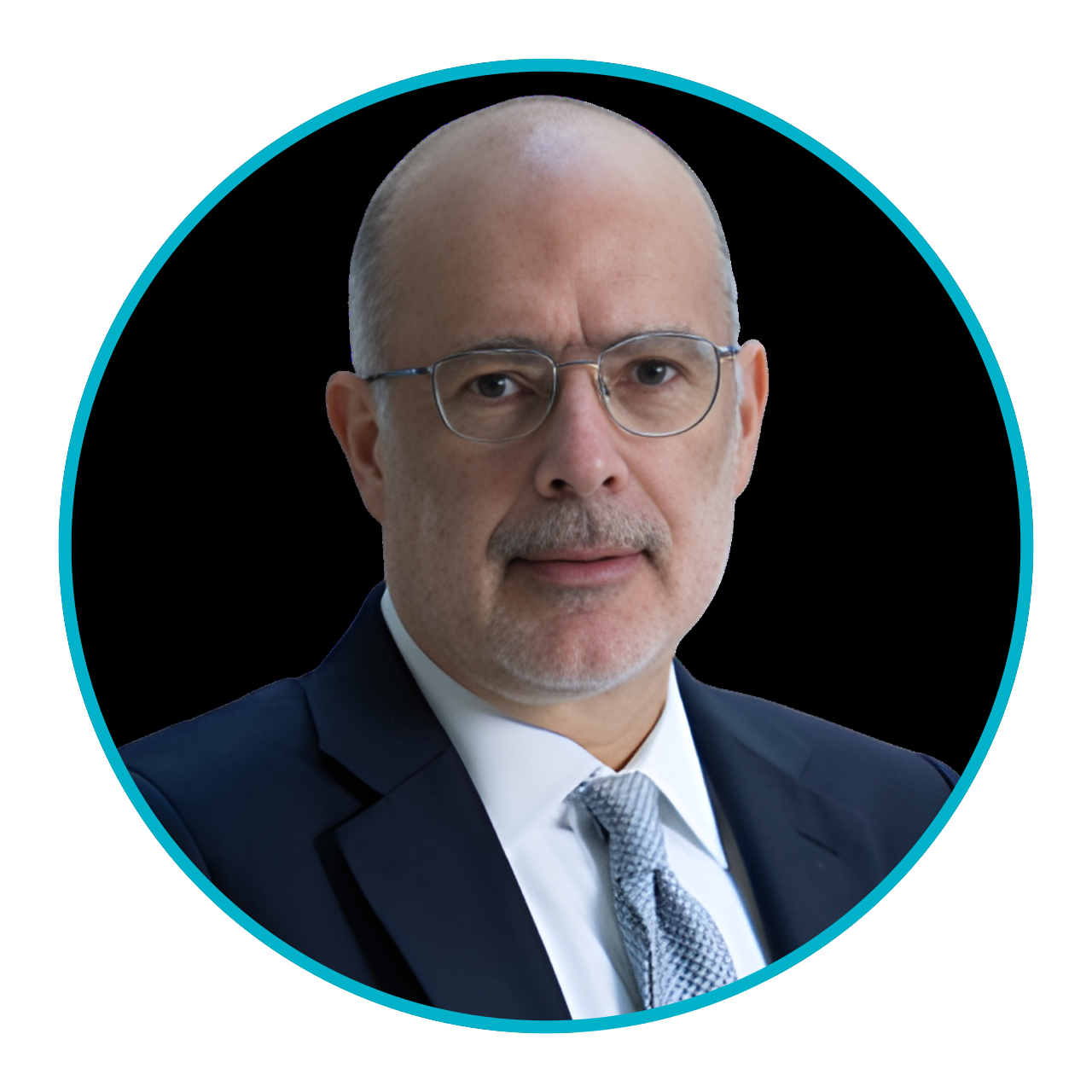
Mr. Rodrigo Valdés
Director of the Fiscal Affairs Department, IMF
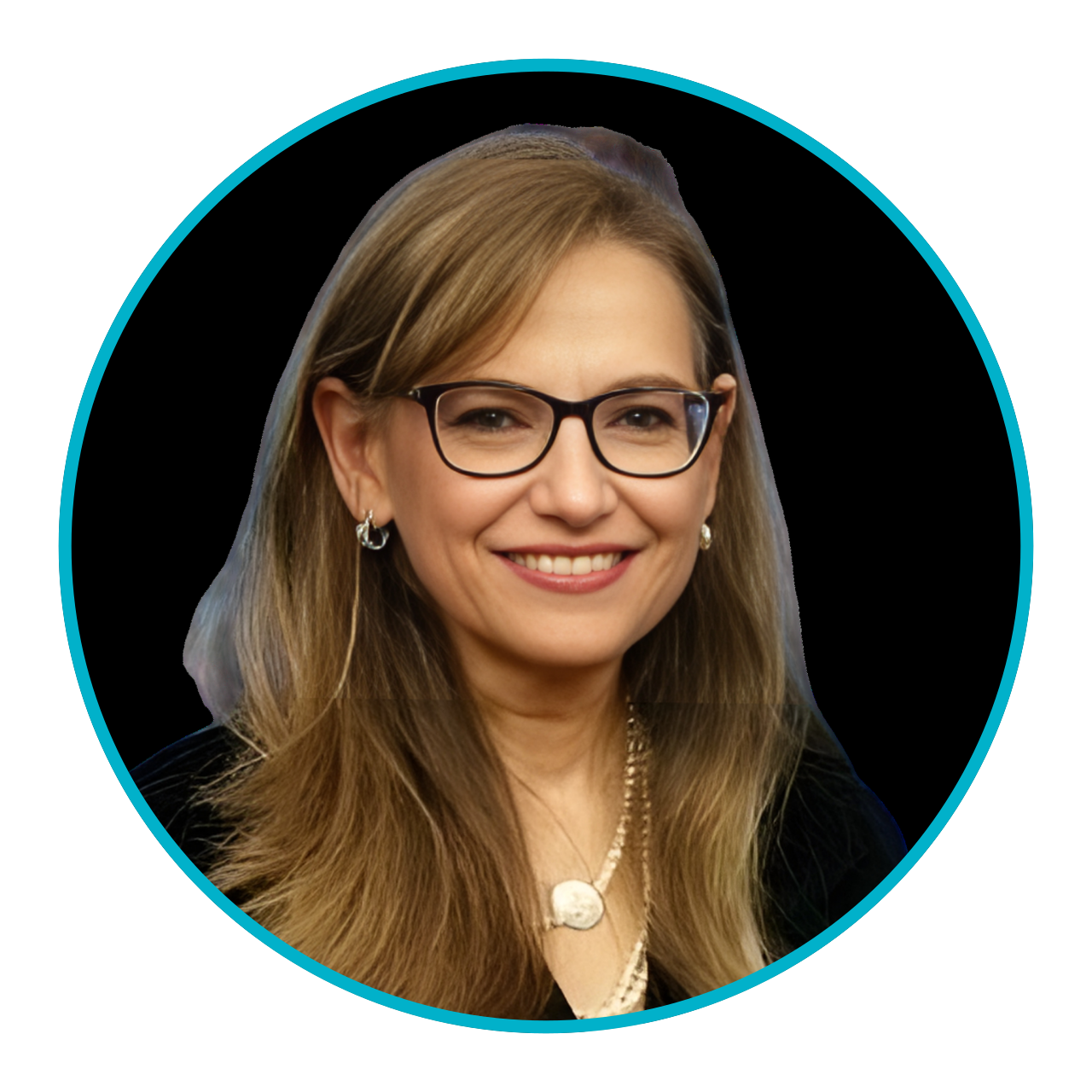
Ms. Manal Corwin
Director of the Centre for Tax Policy and Administration, OECD
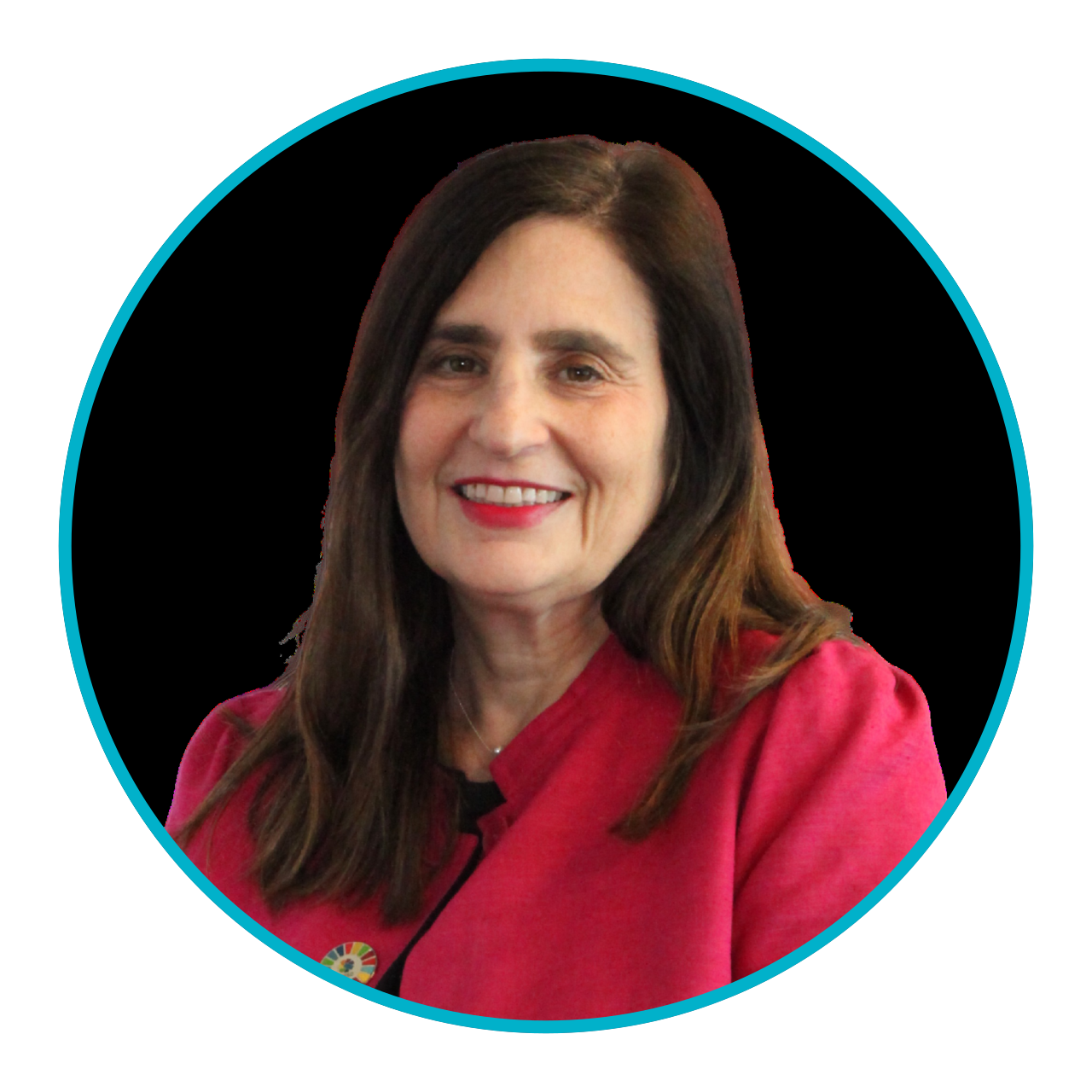
Ms. Shari Spiegel
Director, Financing for Sustainable Development Office, Department of Economic and Social Affairs, UN
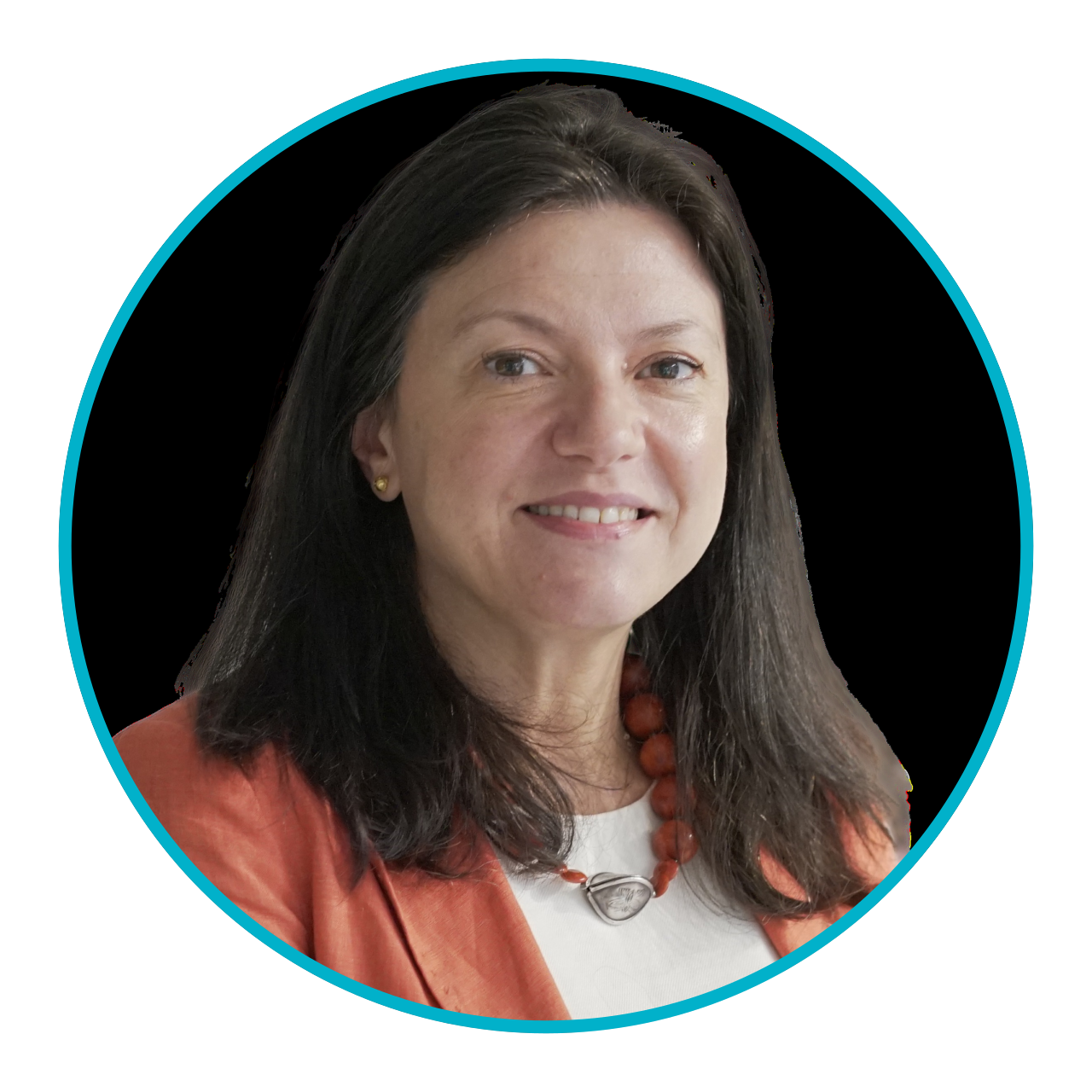
Ms. Manuela Francisco
Director for Fiscal Policy and Growth Department at the Prosperity Vertical, WBG
Tax policy reforms are crucial for developing countries as they boost domestic revenue for essential public services including health, education, and infrastructure, to reduce reliance on foreign aid, curb evasion, foster fairer growth, build the social contract, and promote economic efficiency and sustainability, all vital for achieving the Sustainable Development Goals. This is particularly relevant for countries with low tax-to-GDP ratios. Reforms can include base broadening across tax heads, introduction of more growth friendly taxes such as on property and capital, narrowing the scope of tax expenditures and strengthen the governance of these expenditures to ensure better targeting, and using the tax system to help address inequality, health and environmental issues.
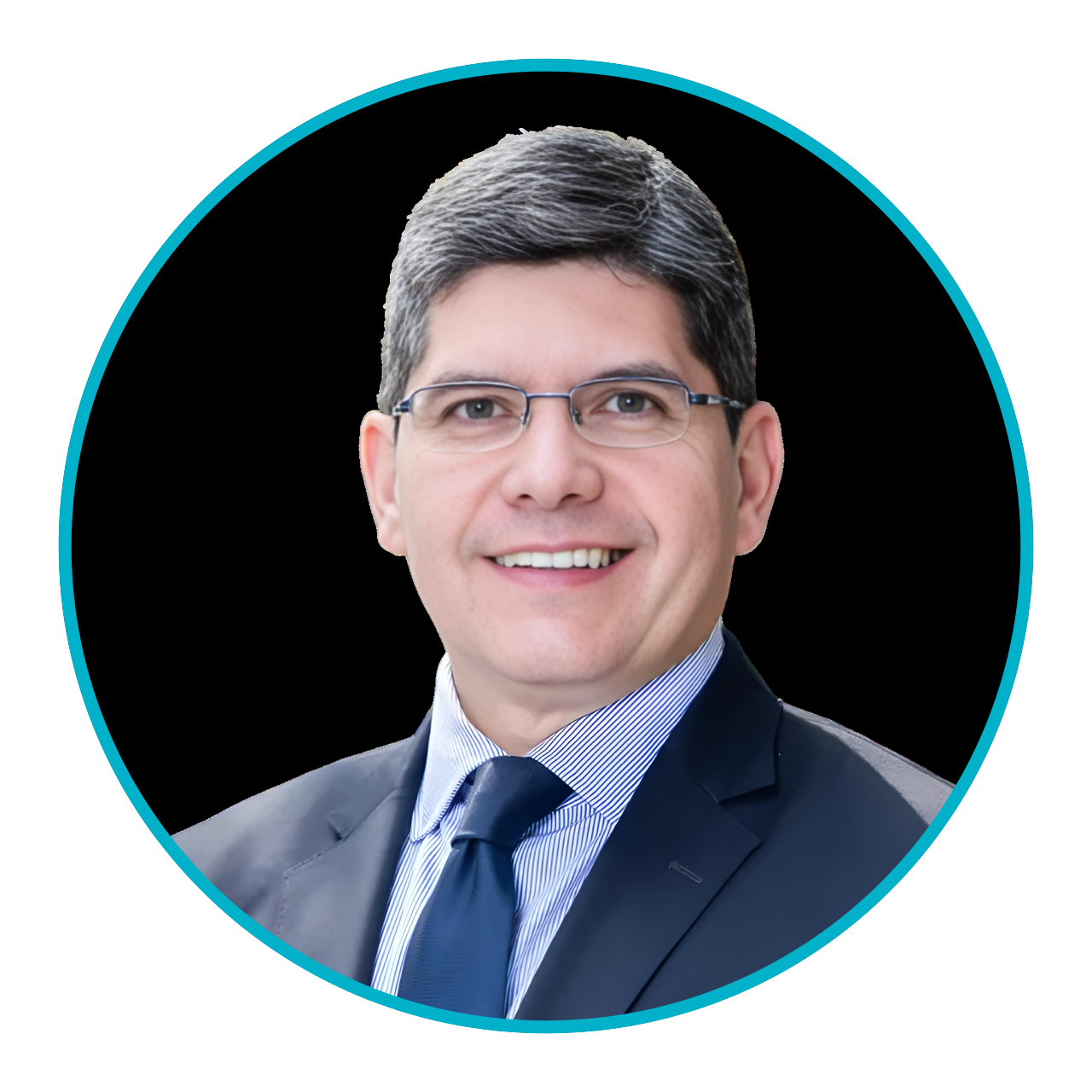
Mr. Pablo Saavedra
Vice President for the Prosperity Vertical of the World Bank Group
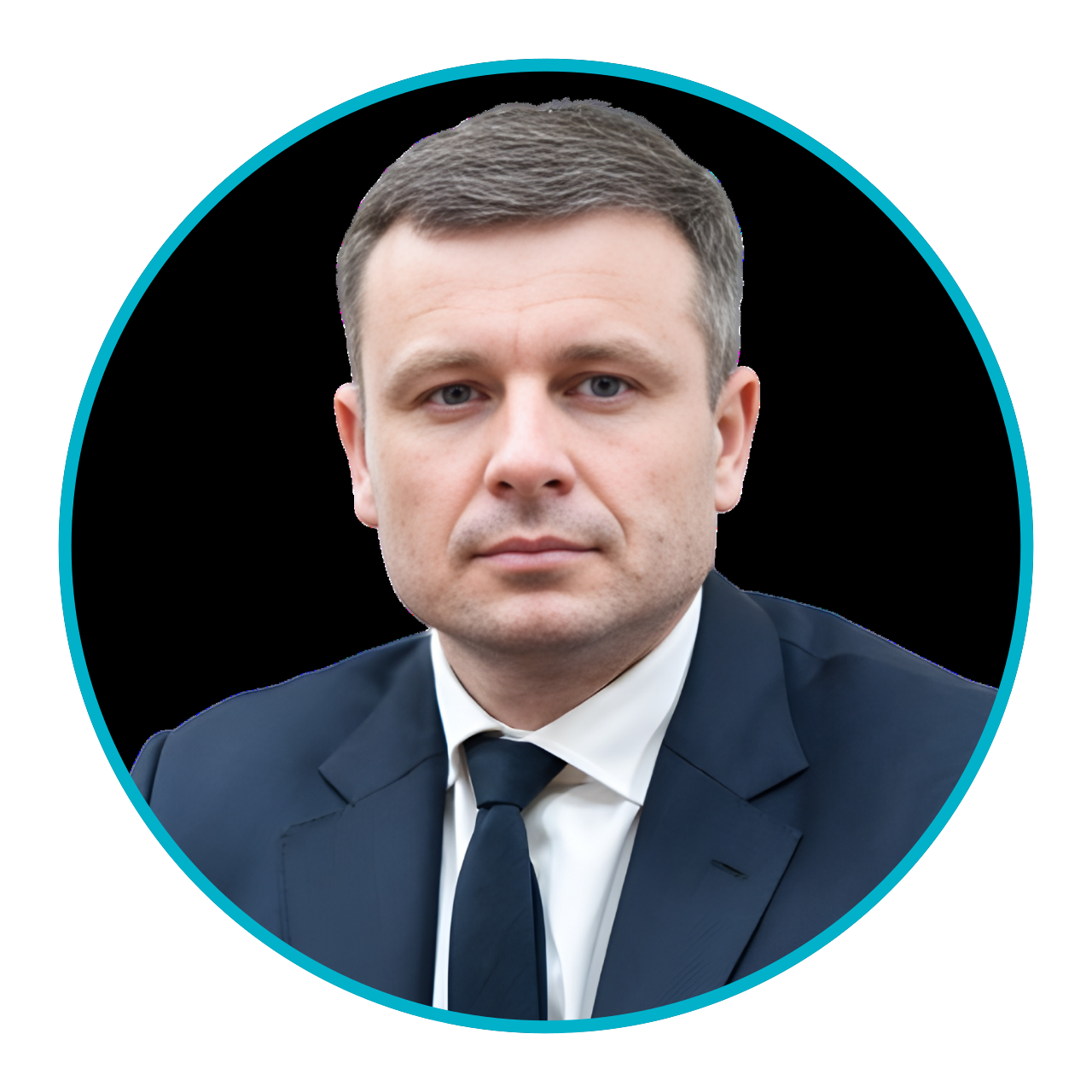
H.E. Mr. Sergii Marchenko
Minister of Finance, Ukraine
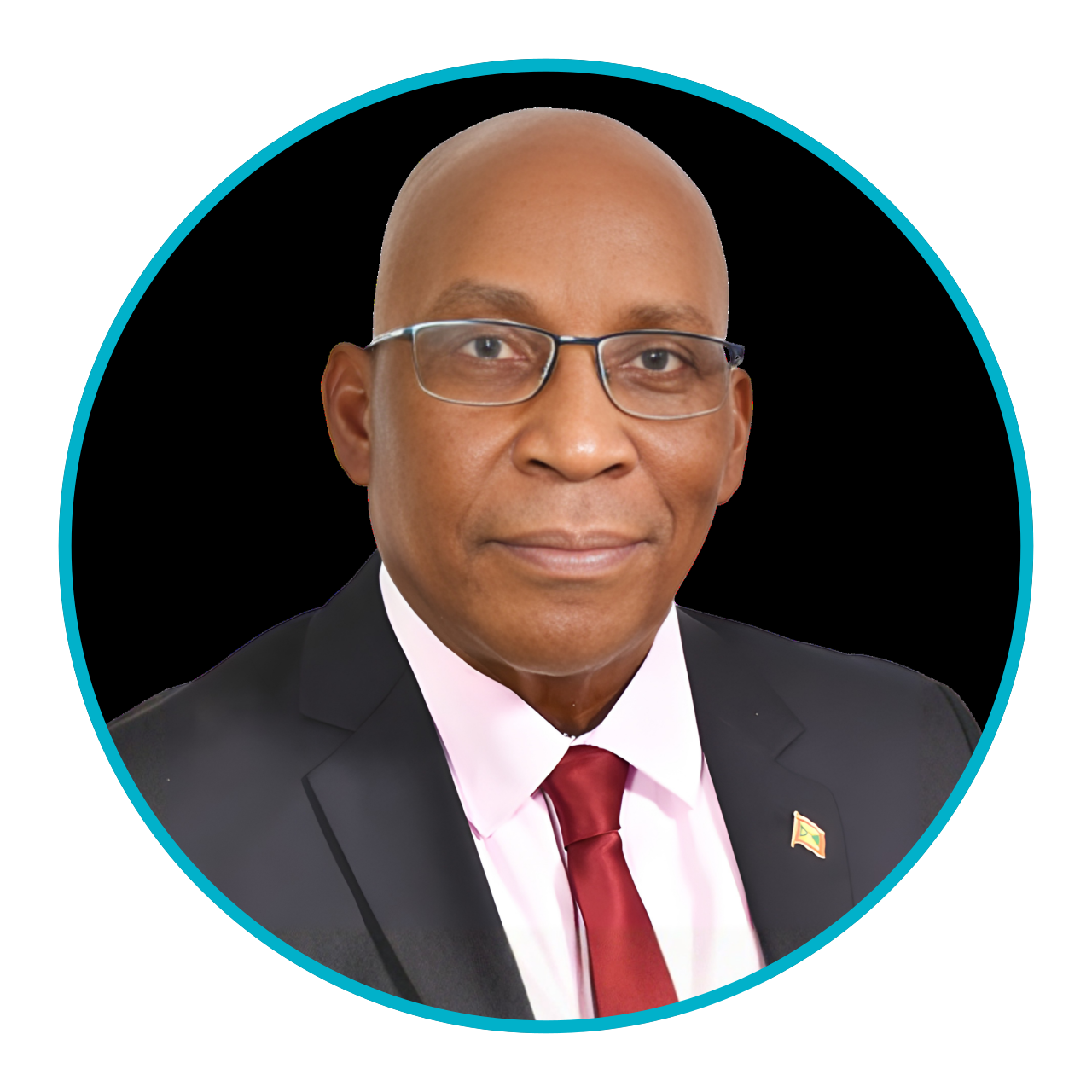
H.E. Mr. Dennis Cornwall
Minister of Finance, Grenada
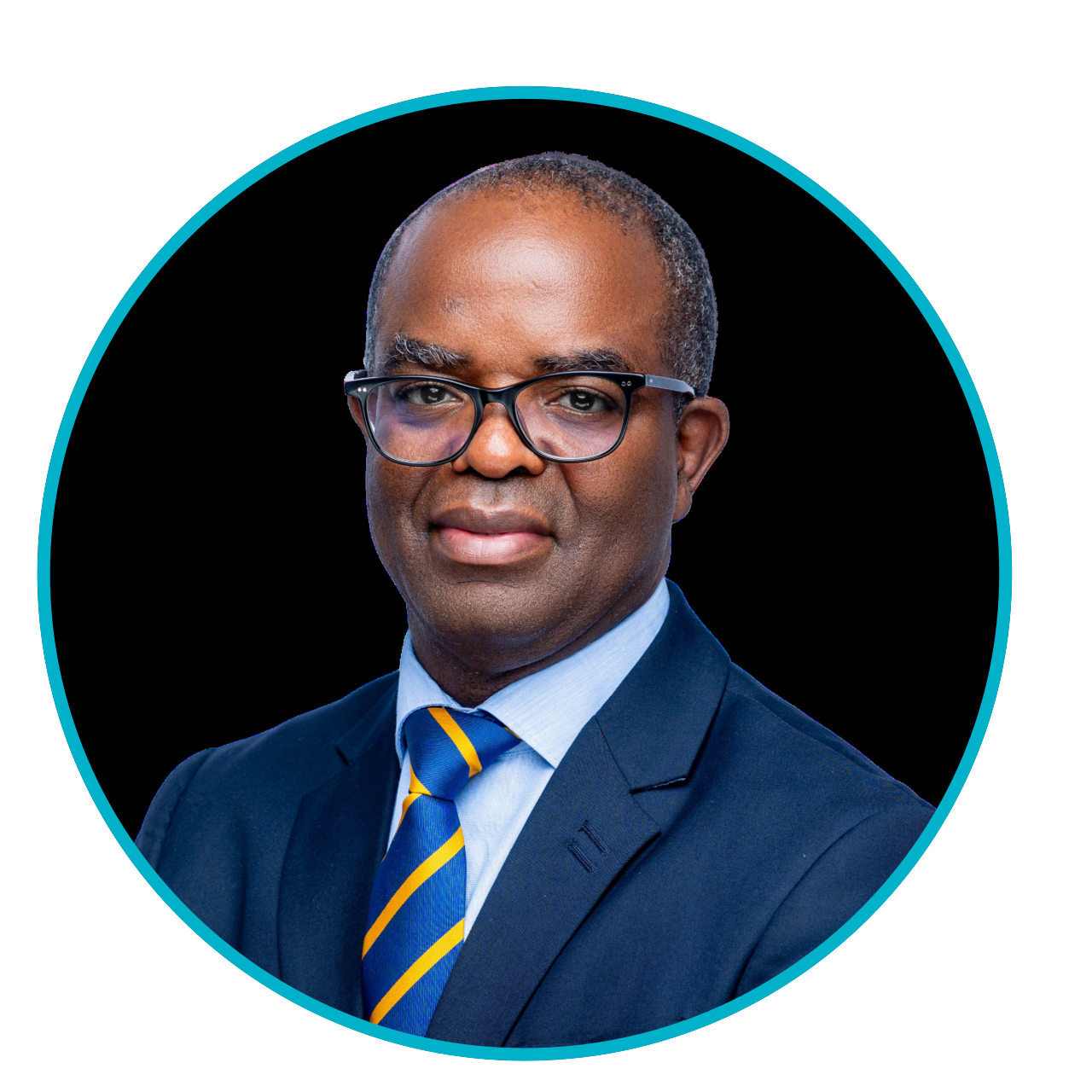
Mr. Dingani Banda
Comissioner General of the Zambia Revenue Authority
Over 25 countries in the last decade have approached their tax system reforms through the adoption of Medium-Term Revenue Strategies (MTRS). Essentially, the MTRS embodies a holistic framework that integrates policy, administrative, and legislative reforms in a sequenced, evidence-driven process, ensuring stakeholder alignment and sustained progress toward national revenue goals. This session will highlight the value of this whole-of-government, integrated approach to comprehensive tax system reforms, and discuss lessons learned.
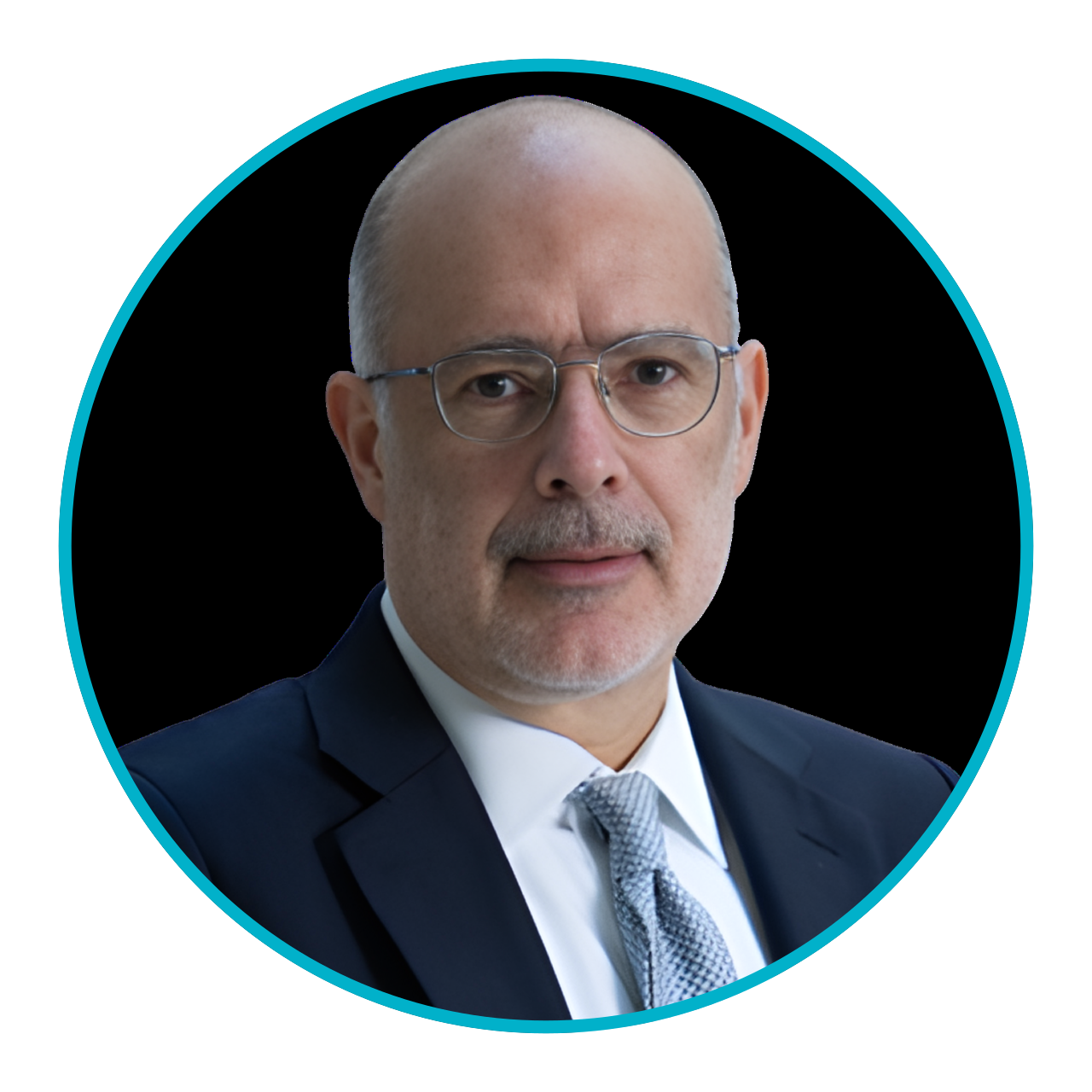
Mr. Rodrigo Valdés
Director of the Fiscal Affairs Department, IMF

Mr. Juan Toro
Deputy Director of the Fiscal Affairs Department, IMF
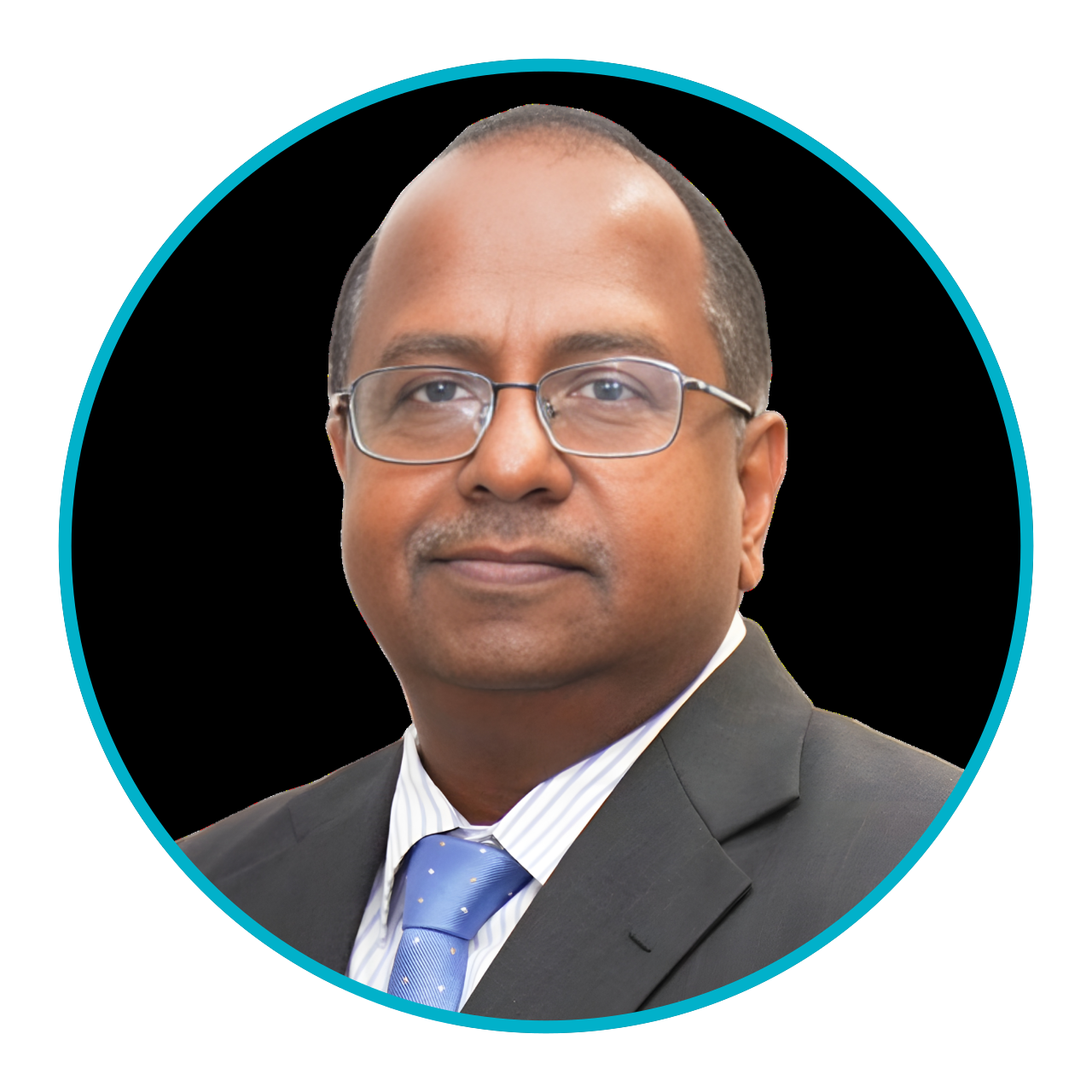
Mr. John Patrick Antonysamy
The Undersecretary of Tax Division, Ministry of Finance, Malaysia
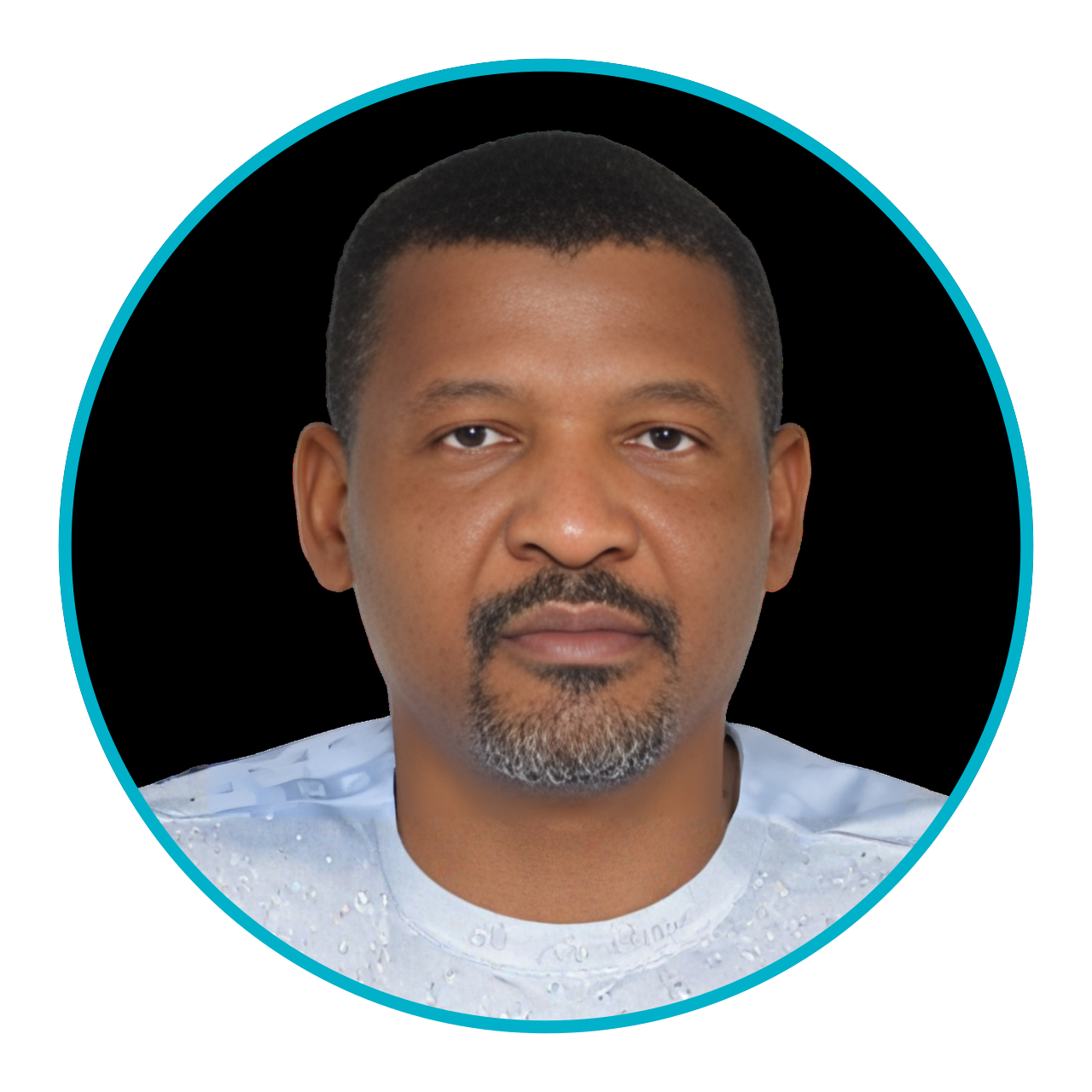
Mr. Basheer Abdulkadir
Director, Technical Services, Federal Ministry of Finance, Nigeria

Ms. Leki Wangmo
Secretary, Ministry of Finance, Bhutan
Strong compliance is needed not only to ensure revenue, but to establish fair treatment across taxpayers and build trust in the tax system; as such ensuring the effective practical administration of the tax system is vital. While digitalization offers huge potential for improvements in tax revenue administration, implementation can be challenging, and expectations from taxpayers high. This session will look at how tax revenue administrations in a range of contexts have sought to improve compliance, sharing key lessons learnt

Mr. Juan Toro
Deputy Director, Fiscal Affairs Department, IMF
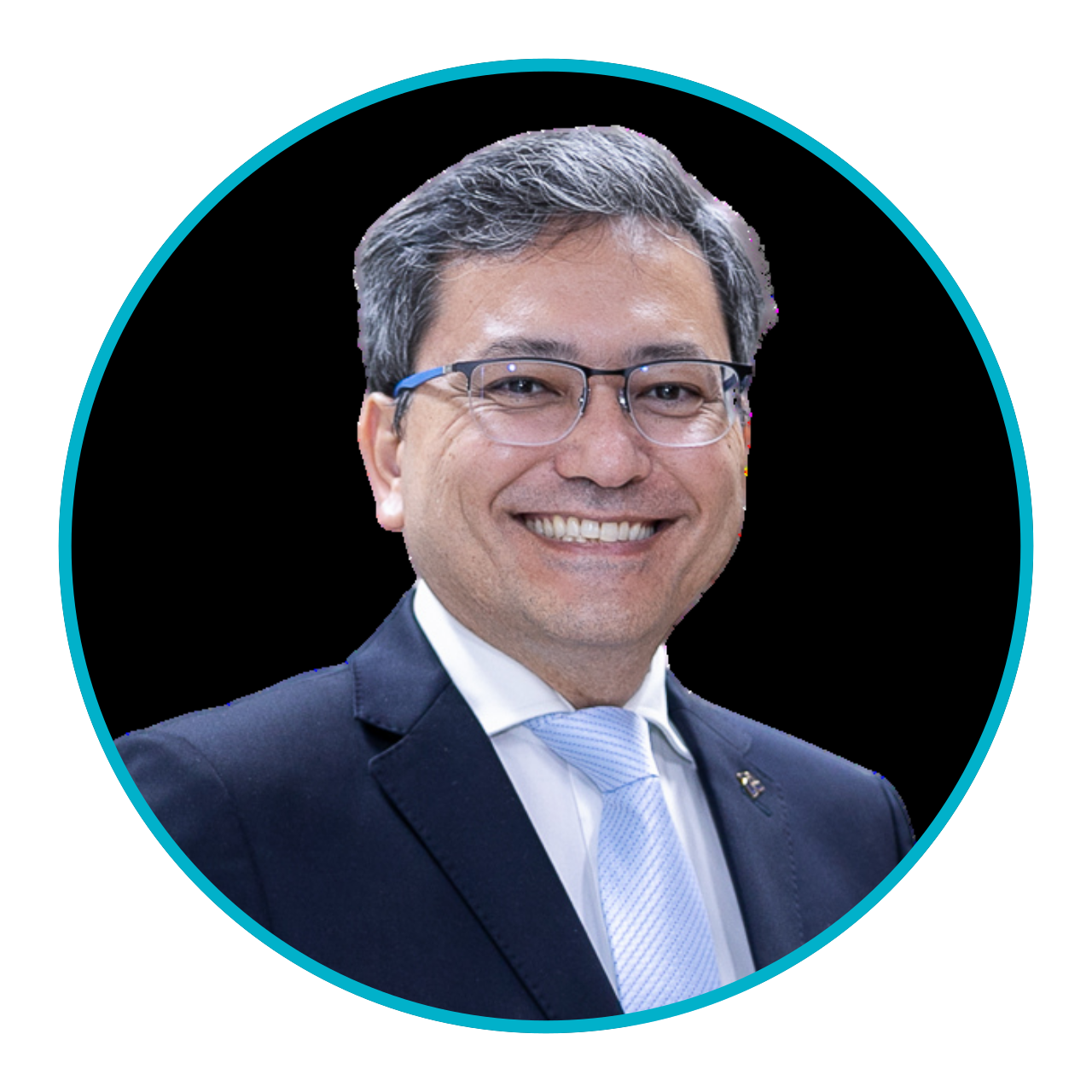
Mr. Robinson Sakiyama Barreirinhas
Special Secretary of the Brazilian Federal Revenue Service, Brazil

Ms. Tina Humar
Director General, Directorate for the System of Tax, Customs and other Public Finance Revenues, Ministry of Finance, Republic of Slovenia

Dr. Seng Cheaseth
Director of the Department of Law, Tax Policy, and International Tax Cooperation at the General Department of Taxation (GDT), Cambodia

Ms. Laila Benchekroun
Head of the International Taxation and Cooperation Division, International Taxation and Cooperation Division, Directorate General of Taxes, Morocco
Domestic revenue mobilization is critical to financing development, yet progress and priorities vary across regions. This session will examine regional perspectives on DRM, focusing on key reform areas that have delivered tangible results in strengthening revenue systems. Drawing on regional experience, speakers will highlight priority policy and administrative measures, emerging trends and remaining challenges in broadening tax bases and improving revenue performance, offering practical insights to inform sustained DRM efforts over the medium term.
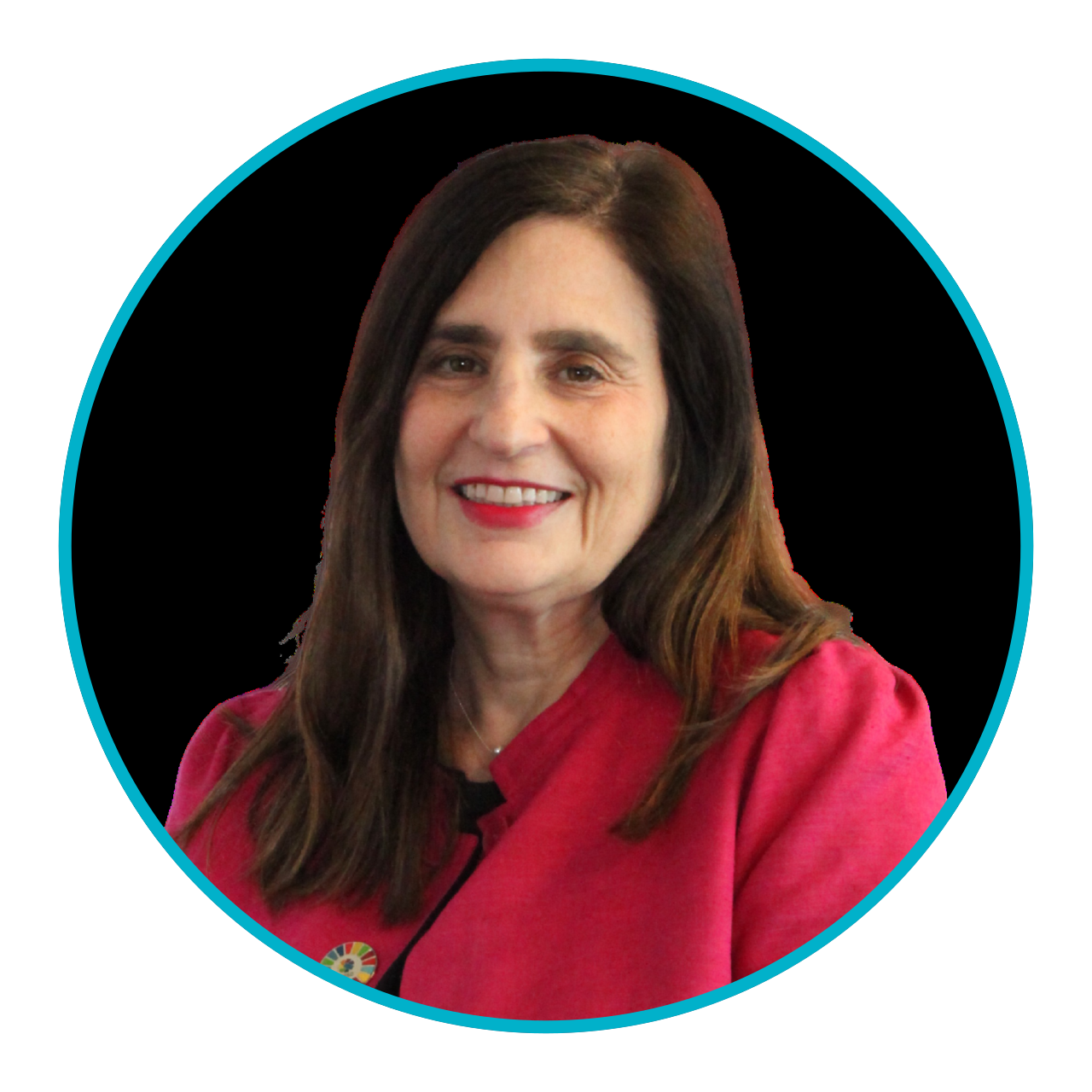
Ms. Shari Spiegel
Director, Financing for Sustainable Development Office, UN DESA

Ms. Catherine Lemesle
Secretary General, Cercle Réflexion Échange Dirigeants Administrations Fiscales (CREDAF)
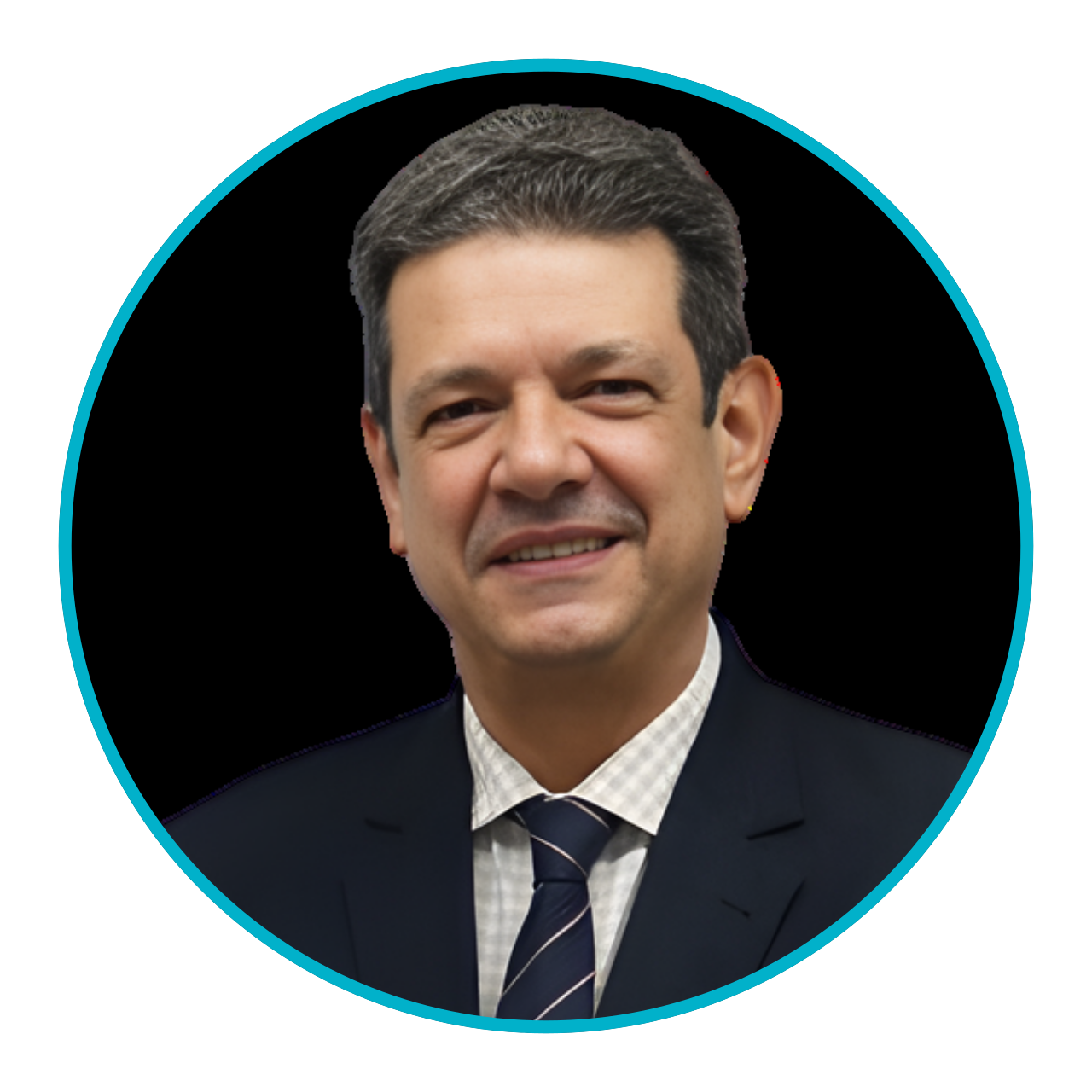
Mr. Marcio Verdi
Executive Secretary of the InterAmerican Center of Tax Administrations (CIAT)
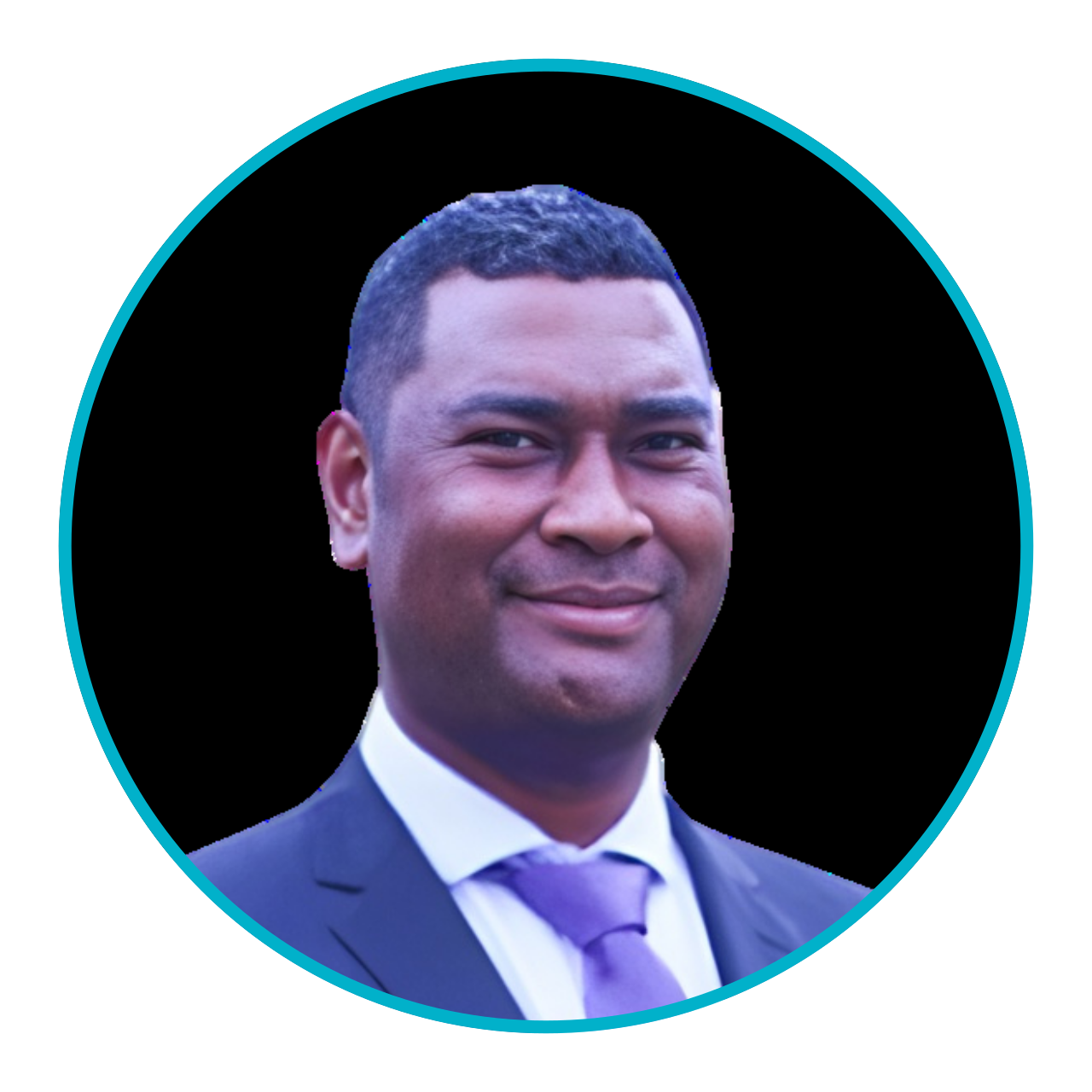
Mr. Petero Maivucevuce
Head of Secretariat, Pacific Islands Tax Administrators Association (PITAA)
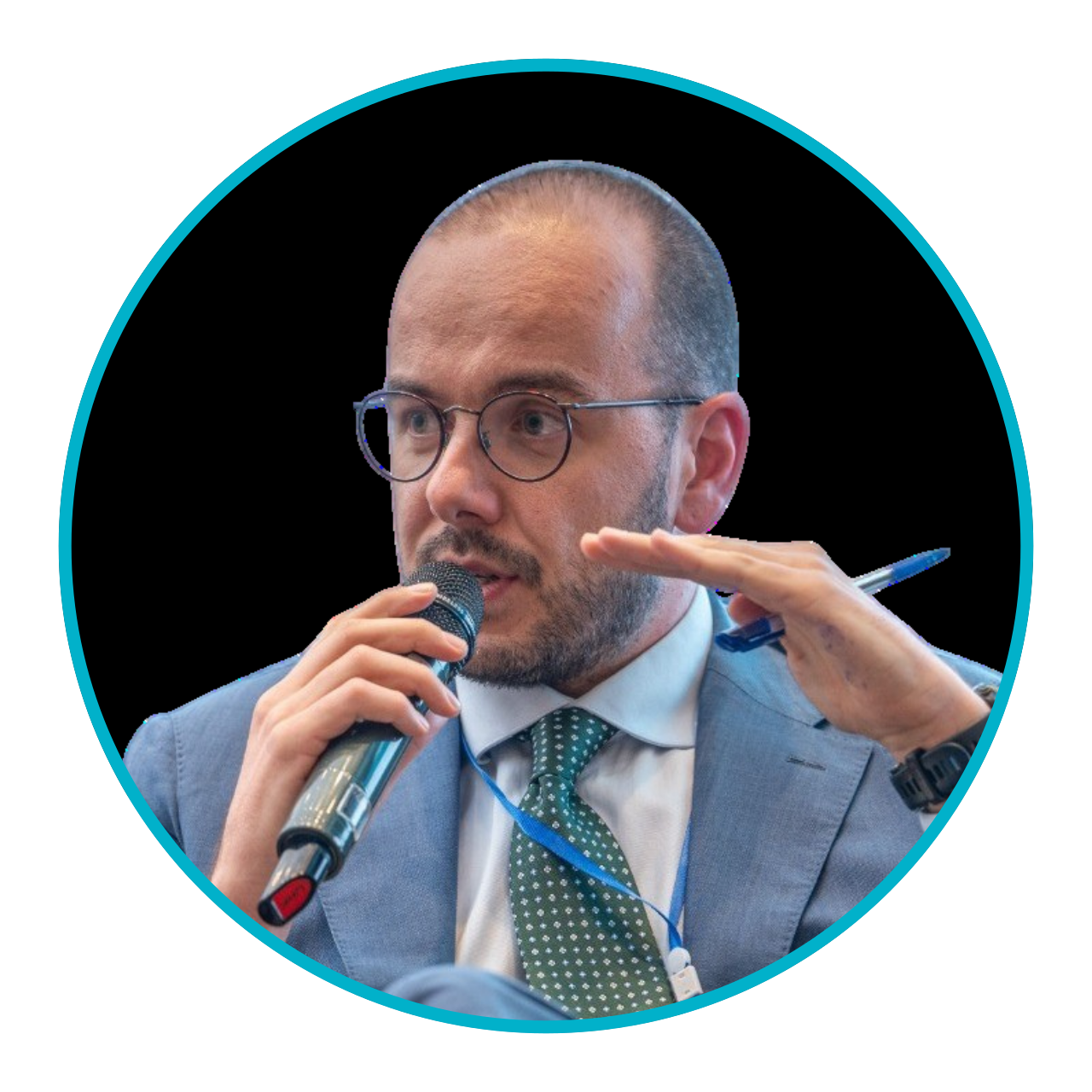
Mr.Nikola Đurić
Advisor, Addis Tax Initiative (ATI)
Global support for strengthening domestic revenue mobilization (DRM) remains uneven— both in volume and in how assistance is distributed across countries. While some countries attract numerous development partners, others receive limited support. This session will highlight contrasting country experiences: one where strong government‑led coordination has successfully aligned multiple partners around a shared reform agenda, and another—such as a Small Island Developing State in the Pacific—where a small set of partners has leveraged collaborative and innovative approaches to deliver outsized results despite capacity constraints. Discussions will draw on lessons from recent PCT findings on the value of structured reform strategies, tailored capacity development, and effective in‑country coordination mechanisms to ensure DRM support is equitable, efficient, and transformative.
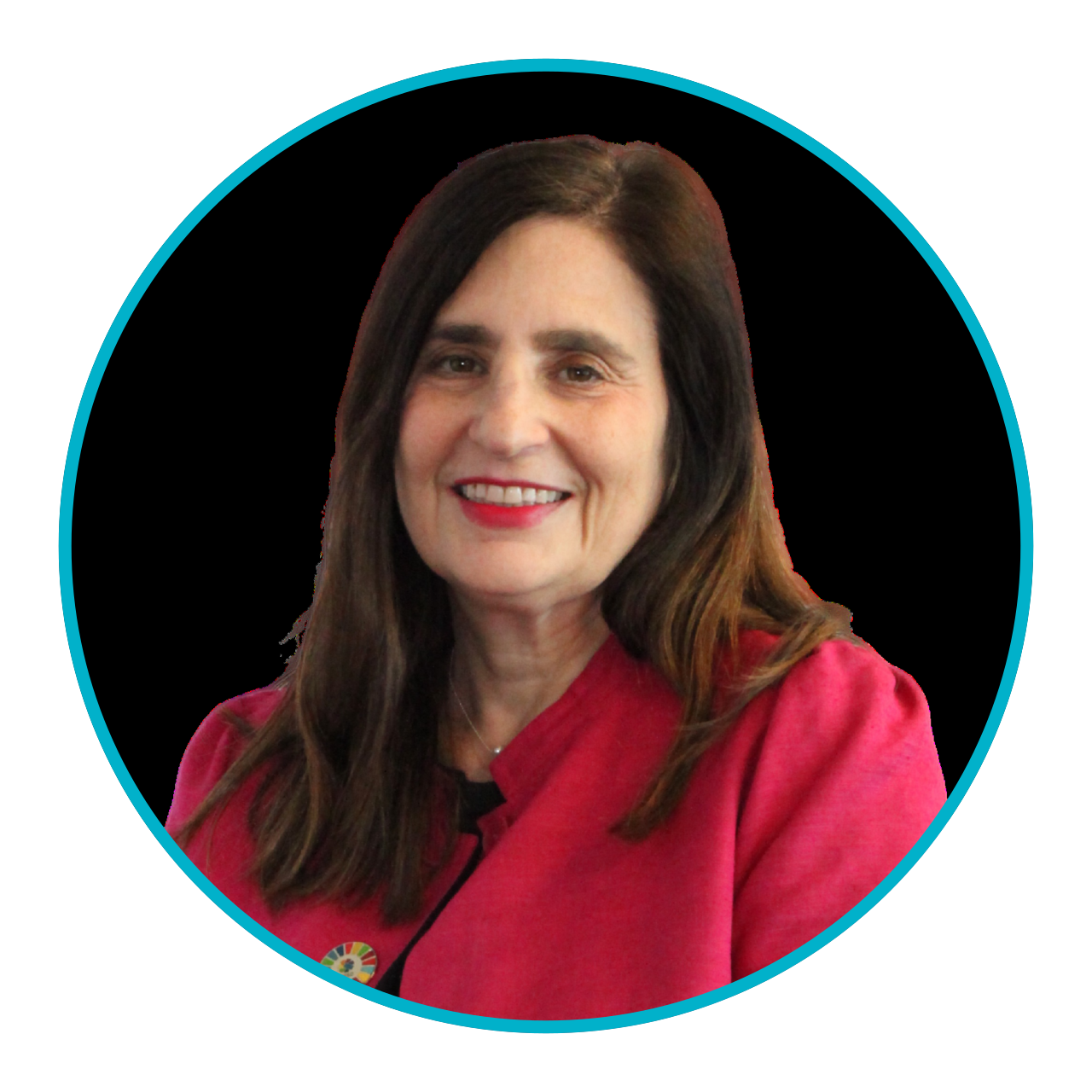
Ms. Shari Spiegel
Director, Financing for Sustainable Development Office, UN DESA

Mr. Jason King
Revenue Comissioner, Barbados Revenue Authority
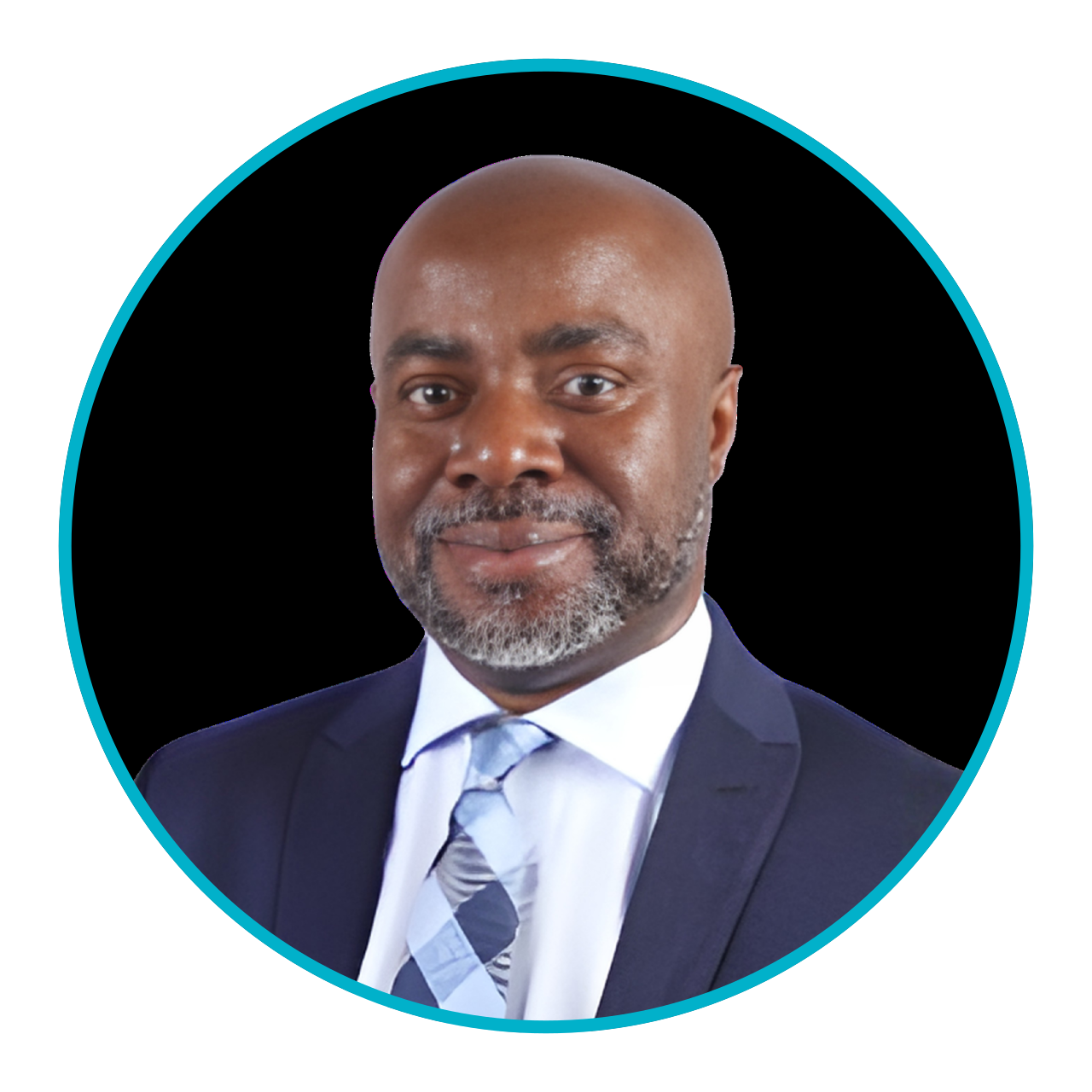
Mr. Darlingston Talery
Head of Tax Division, ECOWAS Commission

Mr. Øivind Strømme
International Director, International Relations, Director General office Skatteetaten - Norwegian Tax Administration & representing Head of the OECD Forum on Tax Administration (FTA)

Ms. Catherine Purcell
Assistant Commissioner, Australian Taxation Office (ATO)
This session will show how the analysis of granular micro data generated by the tax administration can inform policy design. The PCT will introduce the key issues identified in the report on use of data. Panelists will then discuss how data analysis is informing the design of VAT cash back systems and other initiatives to increase the equity of the tax system, targeting enforcement and compliance initiatives, and reforms of the property tax. The session will also discuss how countries have created tax data labs that allow policymakers and researchers to conduct policy-relevant analysis in secure facilities. Finally, it will showcase successful collaborations between government institutions and third parties (e.g. think tanks, international organizations) supporting the data analysis.

Mr. Ruud de Mooij
Deputy Director, Fiscal Affairs Department, International Monetary Fund (IMF)
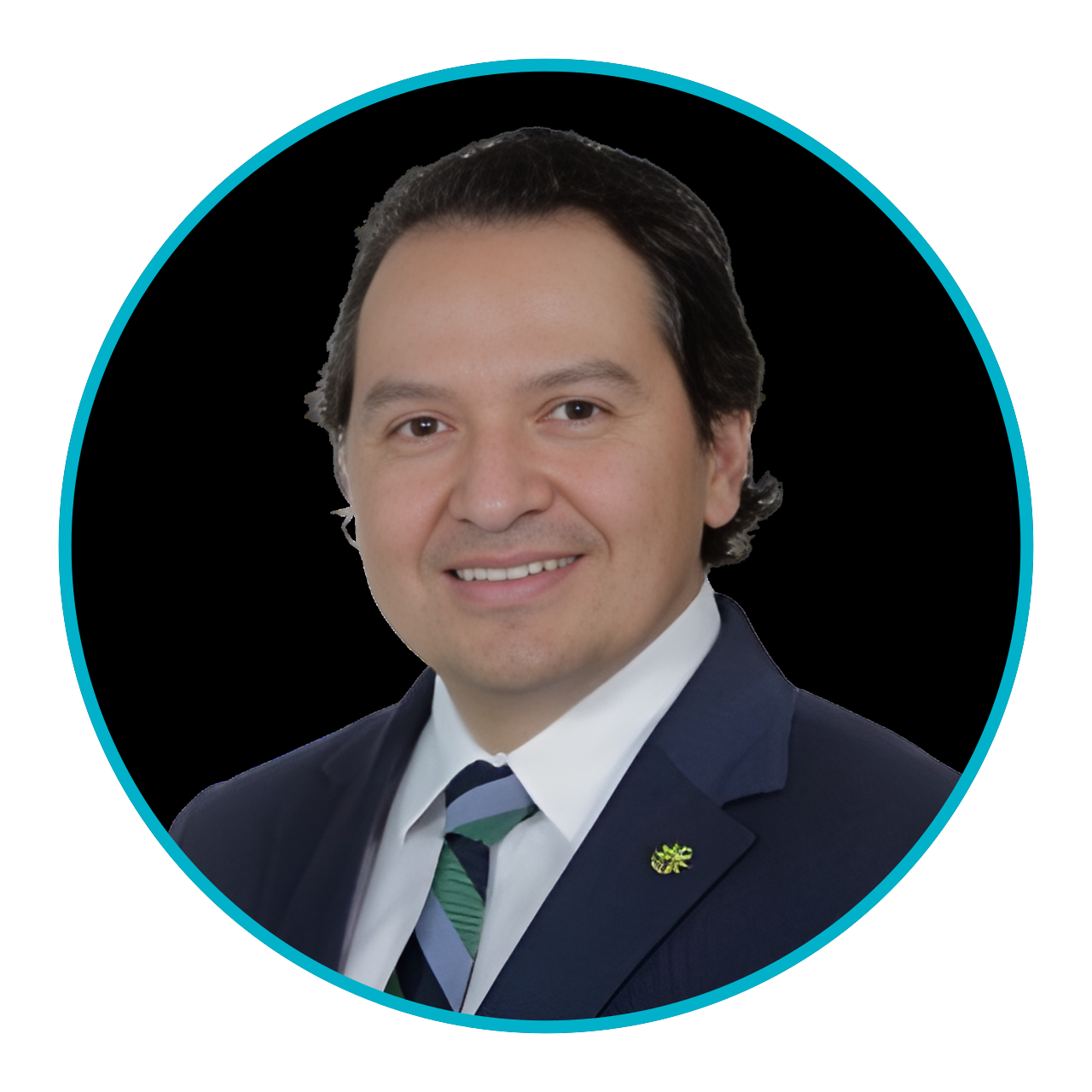
Mr. Marvin Cardoza
Head of Risk Analysis, Tax Administration, Dominican Republic

Ms. Khulan Bat-Erdene
Deputy Minister of Finance, Mongolia

Mr. John Kabeya
Director General of Provincial Tax Administration, Kananga, DR Congo

Ms. Amina Ebrahim
Research Fellow, UNU-WIDER
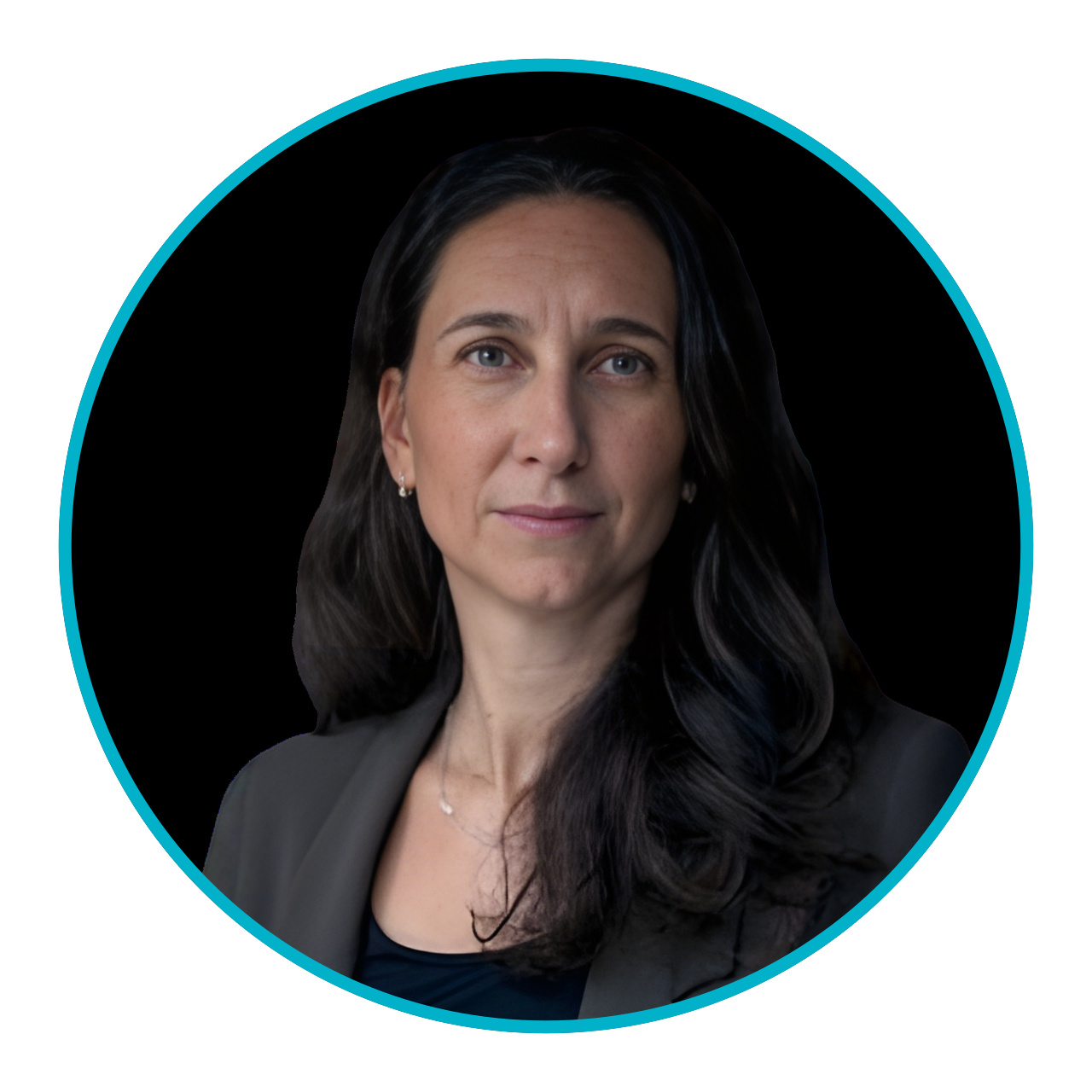
Ms. Giulia Mascagni
Executive Director of the International Centre for Tax and Development
The tax system is at the heart of societies, with the power not only to raise the revenues for public services but also shape economic development. Citizens views on the tax system often have significant political consequences, while passing tax legislation is one of the most important roles of parliaments. Effective engagement with the range of stakeholders integral to the tax system is therefore a key challenge for governments. This session will present practical experiences from a range of perspectives on how to make engagement work.

Mr. Ben Dickinson
Deputy Director, Centre for Tax Policy and Administration, OECD
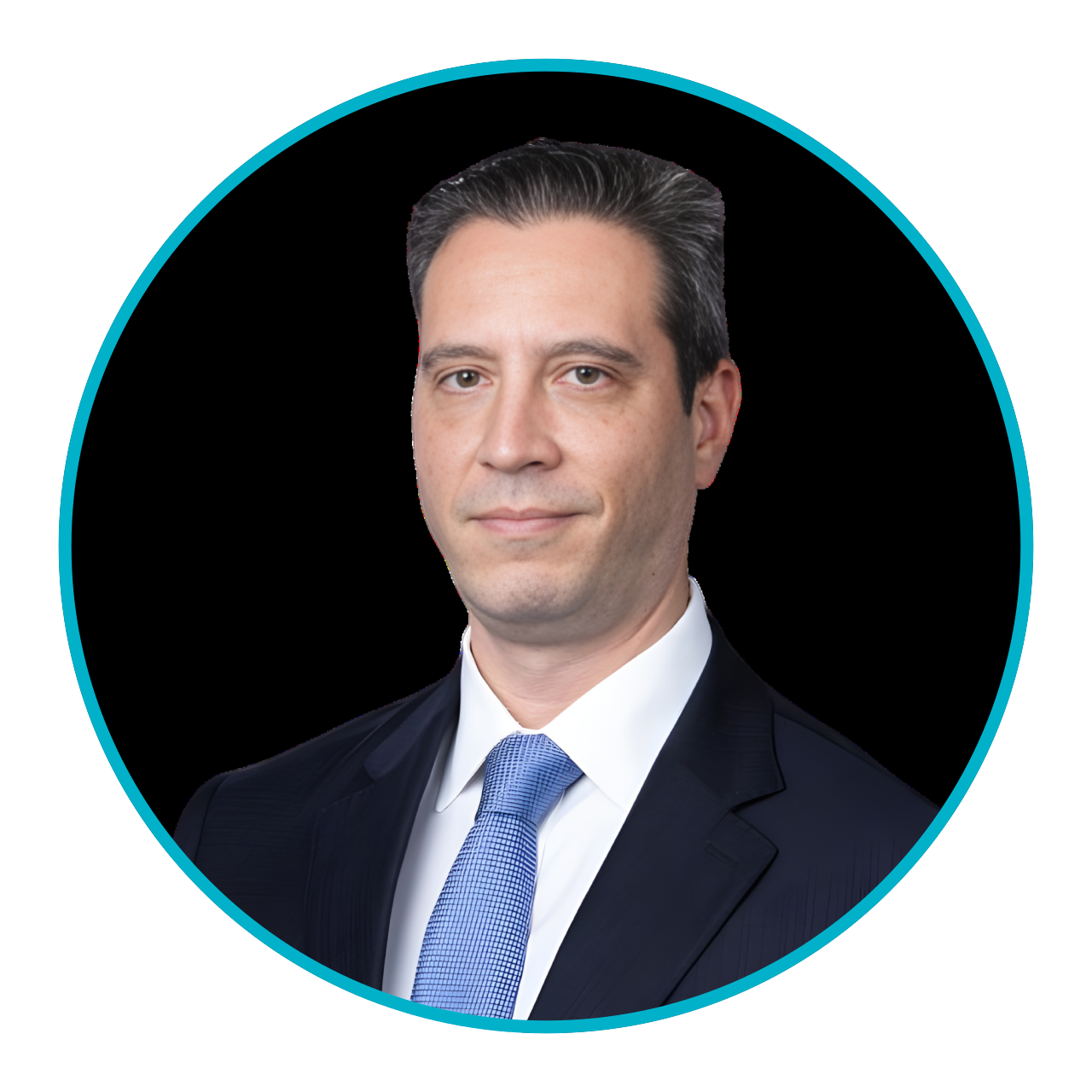
Mr. Fausto Fernández
Vice-Minister of Finance, Ministry of Economy and Finance, Panama

Ms. Hazel Granger
Senior Research Fellow and TaxDev Programme Lead, ODI Global
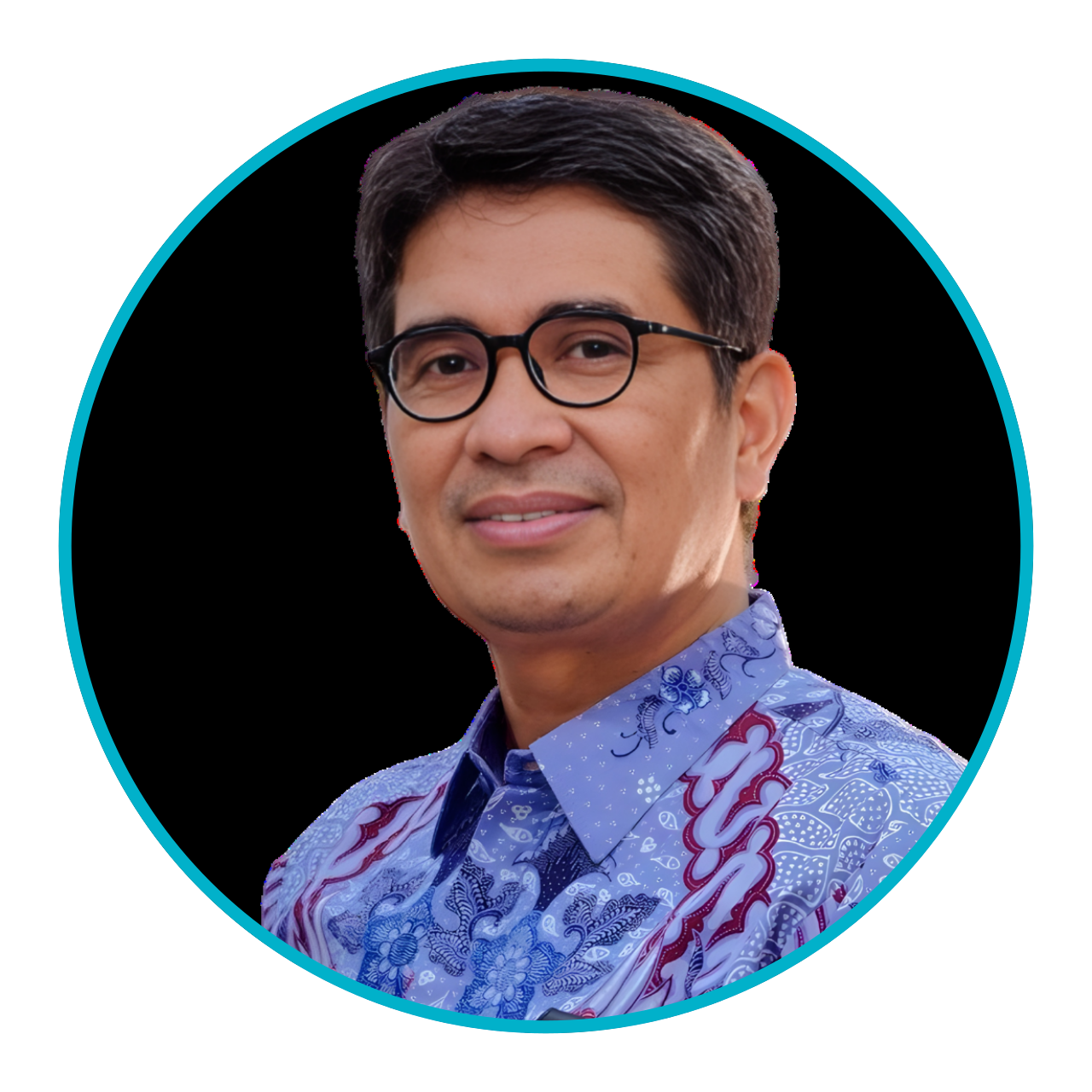
Mr. Eureka Putra
Director, Directorate of Potential, Compliance, and Revenue, Directorate General of Taxes, Indonesia

Mr. Filomeno Sta. Ana III
Action on Economic Reforms, Philippines

Ms. Alexandra Readhead
Director, Tax and Sovereign Debt, International Institute for Sustainable Development (IISD)
The range of tools available to countries for addressing international tax challenges has grown substantially, and continues to expand. Effective implementation of these tools, however, depends on strong domestic capacity.This session will look at how countries have been investing in building domestic capacity in different aspects of international taxation, including transfer pricing, exchange of information and tax treaty negotiation.
Ms. Manal Corwin
Director, Centre for Tax Policy and Administration, OECD

Mr. Yenda Shamabobo
Executive Assistant and Advisor to the Commissioner General, Zambia Revenue Authority

Ms. Benjaporn Jitburut
Tax Economist, The Revenue Department of Thailand

Ms. Mari Khurtsidzé
Head of Tax and Customs Policy Department, Ministry of Finance, Georgia

Mr. Emeka Nwankwo
Head of Member Services, African Tax Administration Forum (ATAF)

Ms. Deborah Lock
Head of International Relations at HM Revenue & Customs, United Kingdom
This session will bring together the core discussion areas of the conference by taking a forward-looking perspective on the tax system for the 21st century. The core theme of the session will be to consider how to deliver sustainable tax revenues to fund investment and public services, and at the same time a tax system which can facilitate business, investment and growth. The session will look at various perspectives including from the tax policymaker, the tax administrator, business, and academia. The panel will consider the optimal tax mix for direct and indirect taxes, taxes on capital and property, the role of tax administration including utilizing new technologies such as AI, and the role of the tax system in creating a positive business climate.
Ms. Manuela Francisco
Director for Fiscal Policy and Growth Department at the Prosperity Vertical (WBG)
Mr. Dingani Banda
Comissioner General of the Zambia Revenue Authority

Mr. Michael Keen
Ushioda Fellow, Tokyo College, University of Tokyo

Ms. Belema R. Obuoforibo
Director of the IBFD Knowledge Centre

Ms. Luisa Scarcella
Global Policy Lead - Taxation and Trade at the International Chamber of Commerce (ICC)

Ms. Clarisse Senaya
Head of Official Development Assistance Unit, Directorate General of the Treasury, France
This session would have the principals set out their priorities for the future, including for the PCT. It will respond to the main themes in the conference, and to the extent possible reference some of the content presented over the previous two days.

Mr. Daiho Fujii
Deputy Vice Minister for International Tax Policy, Japan
Mr. Rodrigo Valdés
Director of the Fiscal Affairs Department, IMF
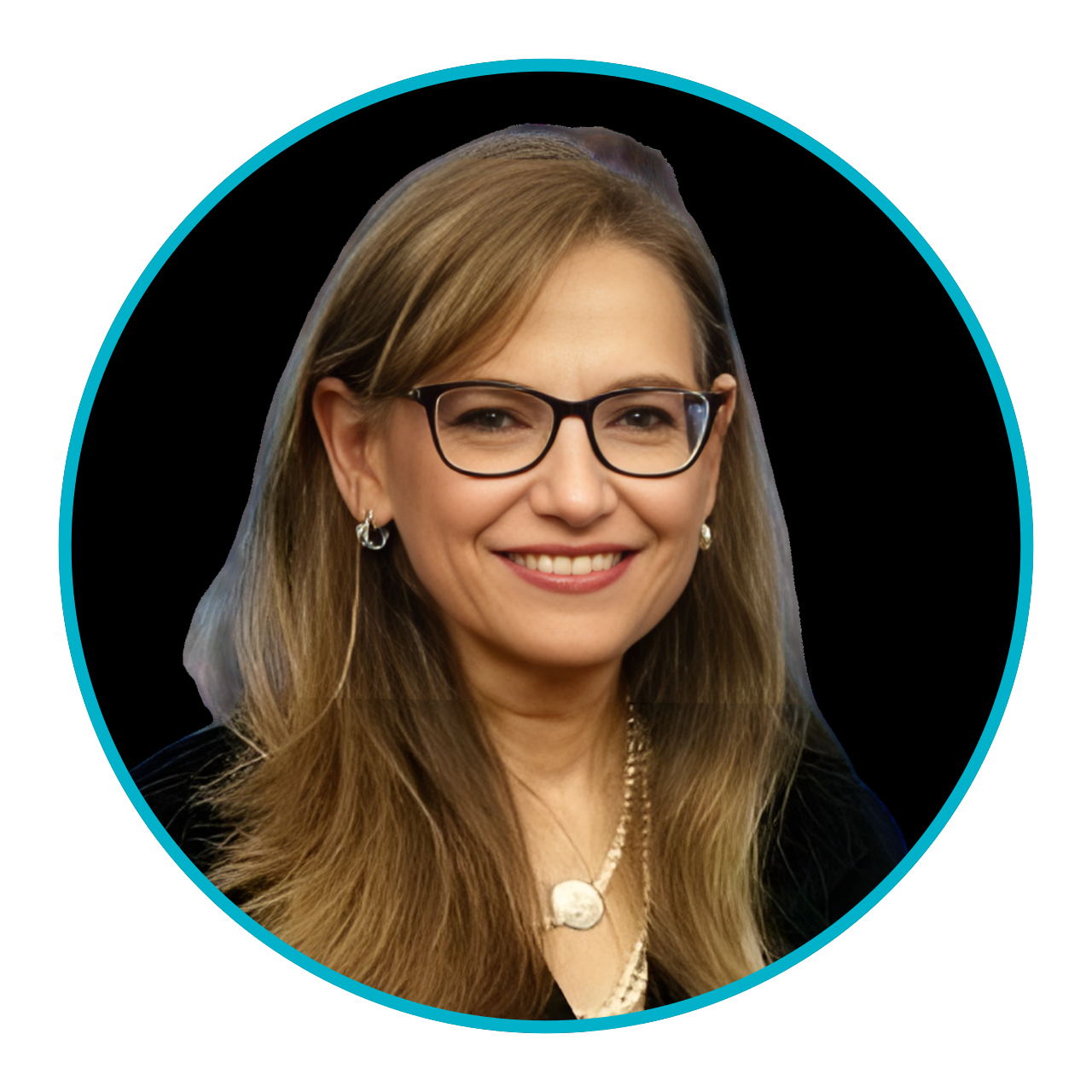
Ms. Manal Corwin
Director of the Centre for Tax Policy and Administration, OECD
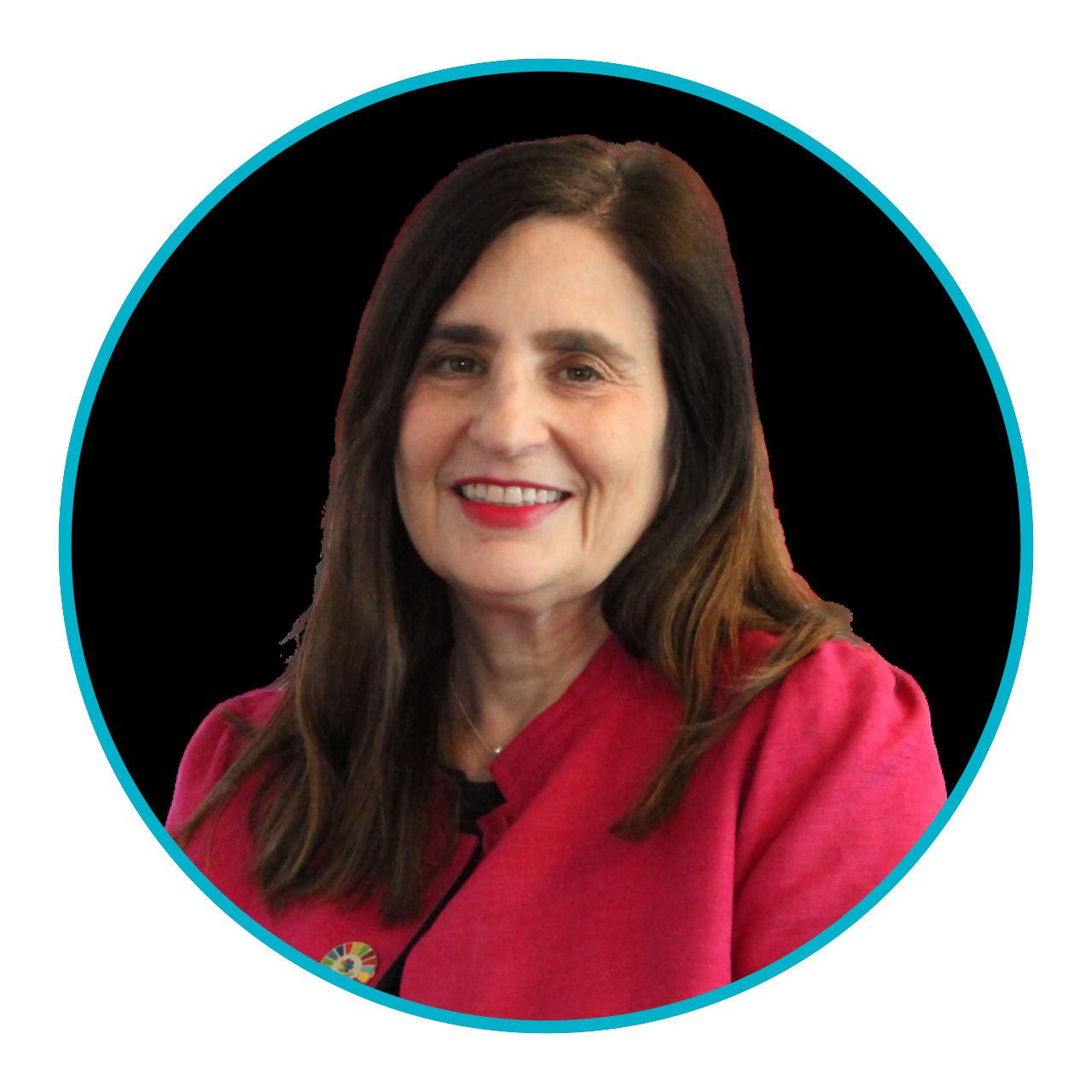
Ms. Shari Spiegel
Director, Financing for Sustainable Development Office, Department of Economic and Social Affairs, UN
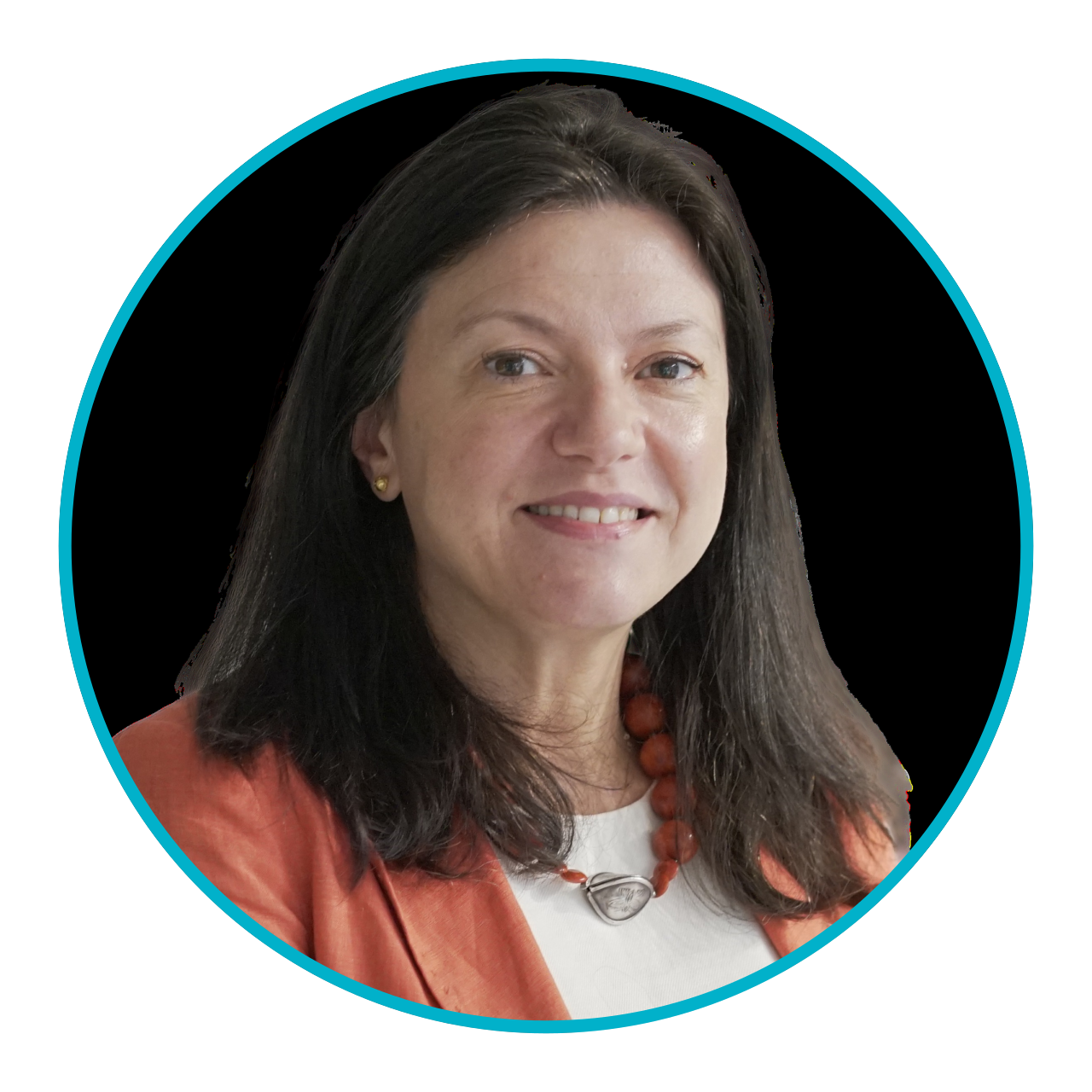
Ms. Manuela Francisco
Director for Fiscal Policy and Growth Department at the Prosperity Vertical, WBG
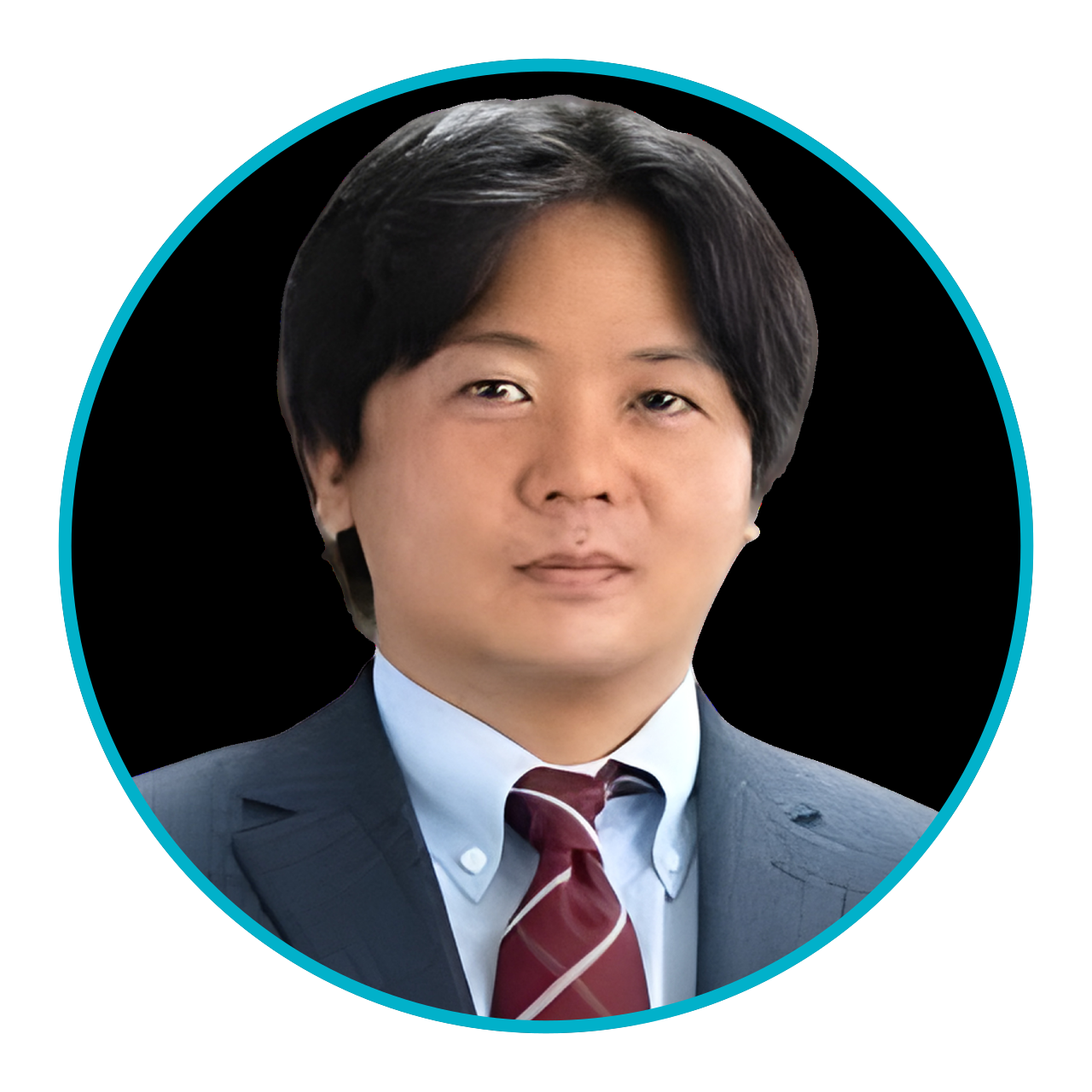
Mr. Takaaki Nomoto
Director, Multilateral Development Banks Division, Ministry of Finance, Japan

Mr. Ruud de Mooij
Deputy Director, Fiscal Affairs Department, International Monetary Fund
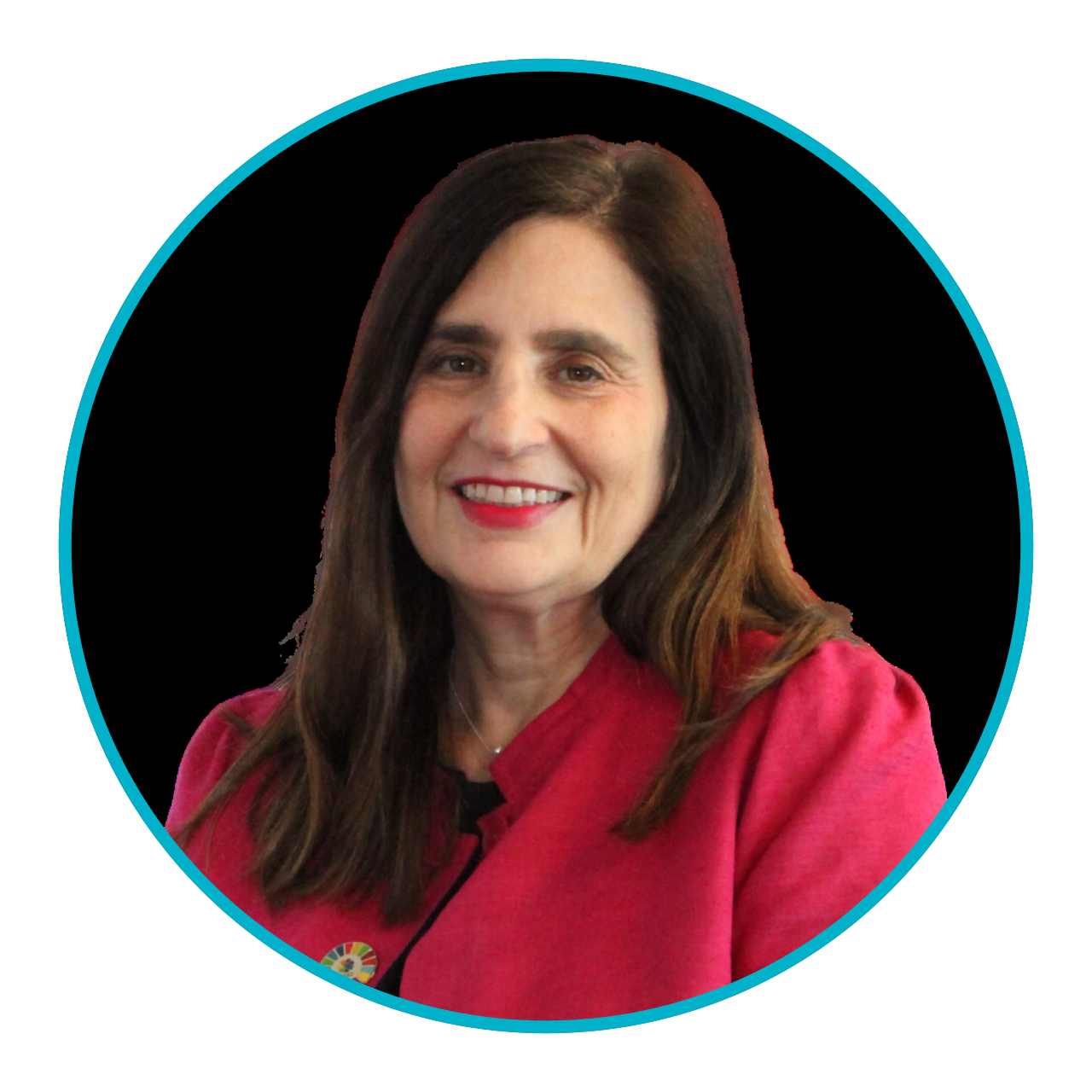
Ms. Shari Spiegel
Director, Financing for Sustainable Development Office, Department of Economic and Social Affairs, FSDO/UNDESA, United Nations
This session provides an overview of the key domestic revenue challenges faced across SIDS, including structural constraints, vulnerability to economic and environmental shocks, and policy trade-offs. The discussion will highlight common patterns and areas which could benefit from targeted support. Issue areas can include narrow corporate and personal income tax bases, international tax obligations and transfer pricing challenges, as well as tax administration capacity constraints.
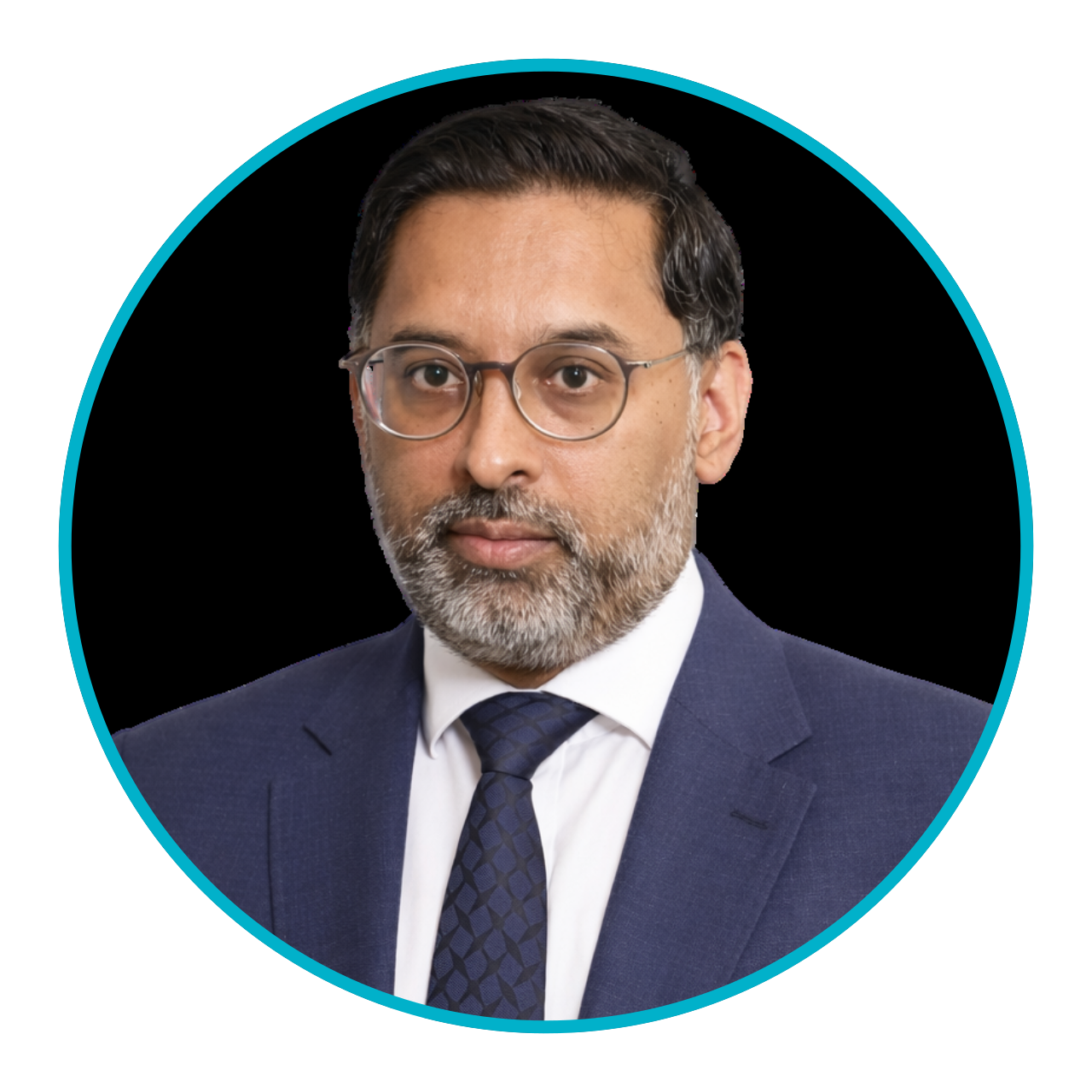
Mr. Ibrahim Chowdhury
Senior Economist, Fiscal Policy, World Bank Group
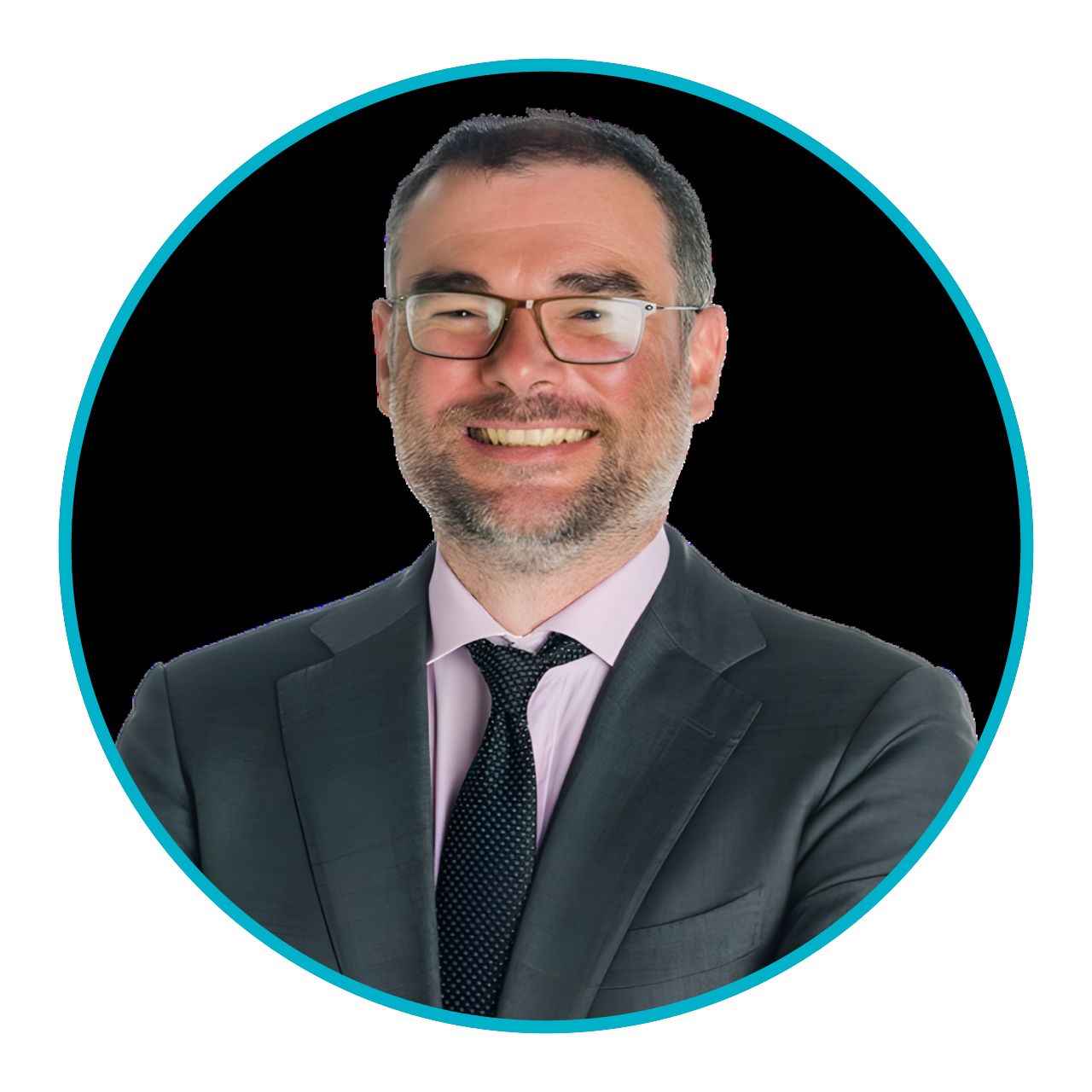
Mr. Christophe Waerzeggers
Deputy Division Chief, Fiscal Affairs Department, International Monetary Fund

Mr. Jason King
Revenue Commissioner, Barbados
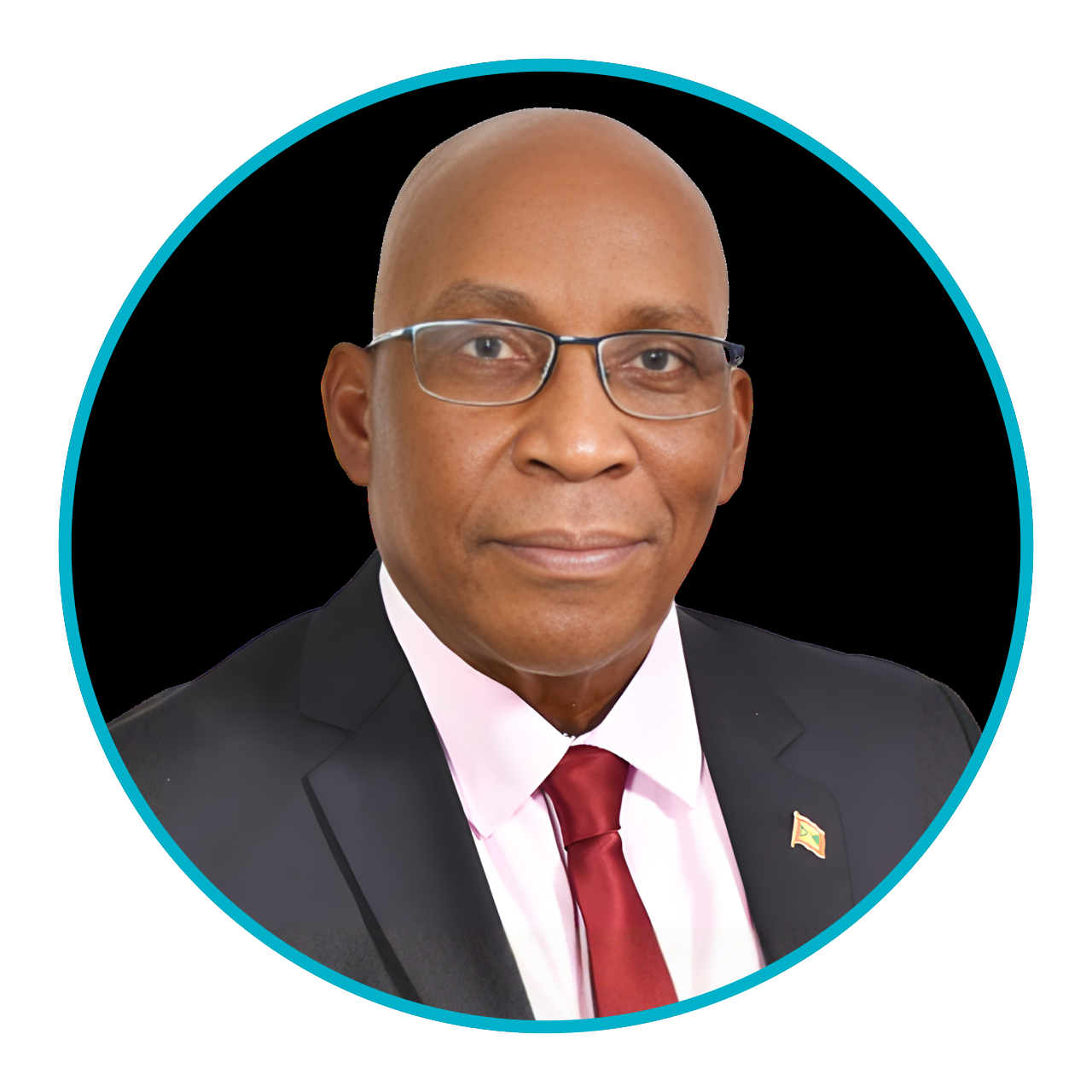
Hon. Dennis Cornwall
Minister of Finance, Grenada
Mr. Petero Maivucevuce
Head of Secretariat, Pacific Islands Tax Administrators Association

Mrs. Pipiena Tanaki
Deputy CEO for Ministry of Revenue and Customs, Tonga
This session explores taxation issues related to tourism. Participants will be invited to identify challenges and share country experiences and success stories on VAT and corporate income tax incentives, transfer pricing, the role of online booking platforms in the collection of taxes (particularly VAT), the use of reduced VAT rates and the application of specific tourism-related taxes. Countries will discuss strategies for enhancing revenues from this sector including untapped revenue sources and options for base broadening. The discussion will reflect on balancing competitiveness with fair and effective revenue collection.

Ms. Ilka Ritter
Senior Tax Policy Advisor, International Tax and Development Cooperation Branch, FSDO/UNDESA, United Nations

Mr. Collin Robinson
Senior Economist, Ministry of Finance, Dominica
Mr. Marvin Cardoza
Manager, Tax Risks, Tax Administration, Dominican Republic
Mr. Mohamed Ali Waheed
Assistant Commissioner General, Maldives

Mr. Imran Williams
Director of Finance, Ministry of Finance, St. Lucia
Focusing on one of the most important natural assets for many SIDS, this session examines opportunities and challenges in fisheries revenue regimes. Discussions will cover licensing, compliance, and sustainability considerations. Country experiences in collecting revenue throughout the value chain, in addition to traditional access fees, will be explored, along with examples of how digital technologies are being used to enhance administration and enforcement. Participants will be invited to discuss options to enhance regional collaboration, avoiding a ‘race to the bottom’ on tax rates and regulation, and enhance coordination of enforcement and assessments.
Mr. Christophe Waerzeggers
Deputy Division Chief, Fiscal Affairs Department International Monetary Fund
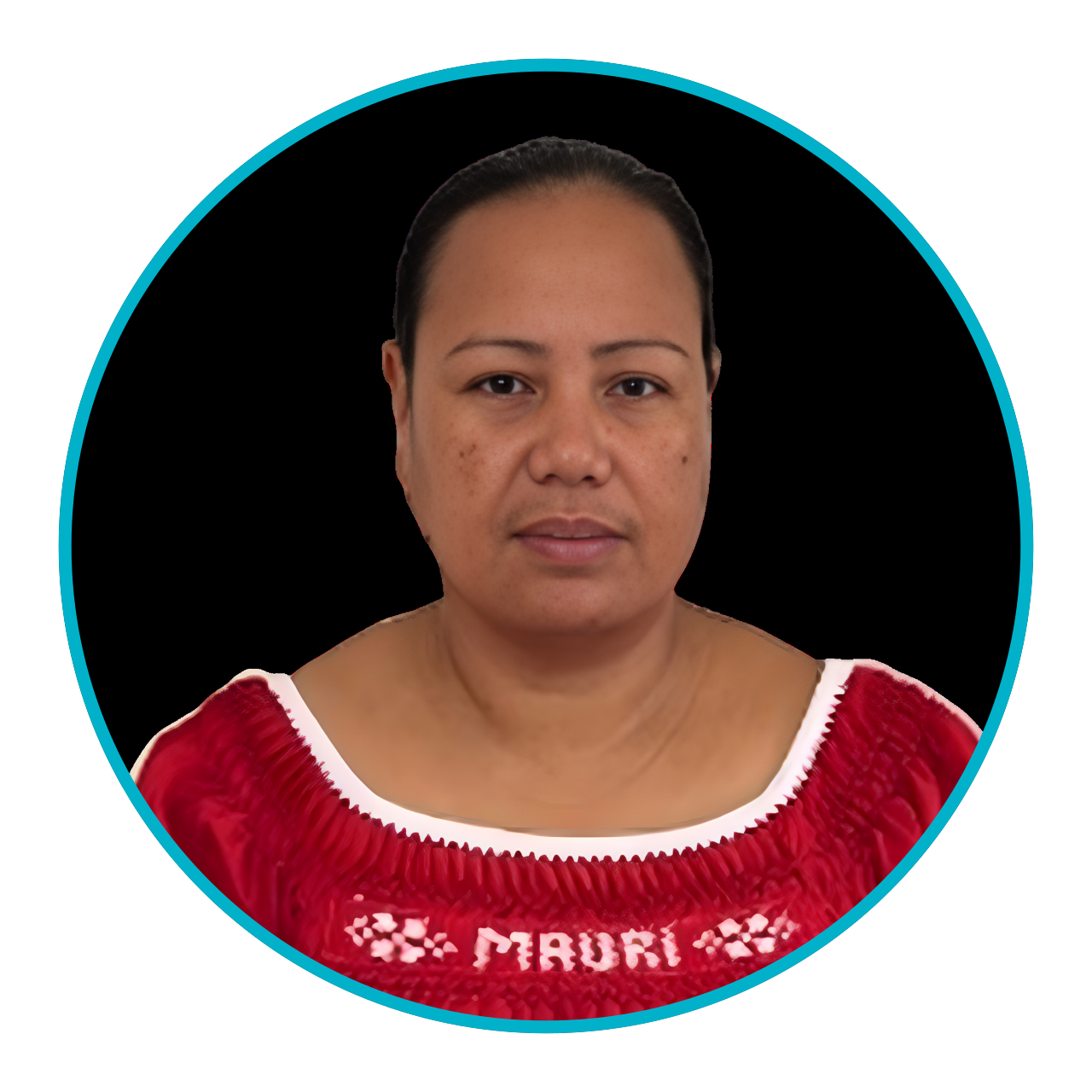
Mrs. Reta Ubati
Tax Commissioner, Kiribati

Ms. Katt Chong-Gum
Economic Analyst, Ministry of Finance, Marshall Islands

Mr. Joseph Dokekana
Commissioner of Tax, Solomon Islands
Addressing the realities of low-capacity environments, this session focuses on tax administration challenges in SIDS. It will examine practical approaches to improving compliance, leveraging technology, and enhancing cooperation. Countries will be invited to share tools, administrative approaches, and success stories. Key technological advancements relevant for low-capacity settings will also be explored, such as online filing, the use of e-invoicing and electronic cash registers for VAT, use of data for compliance risk management, and the role of integrated tax administration systems.

Ms. Melinda Brown
Senior Policy Advisor, OECD
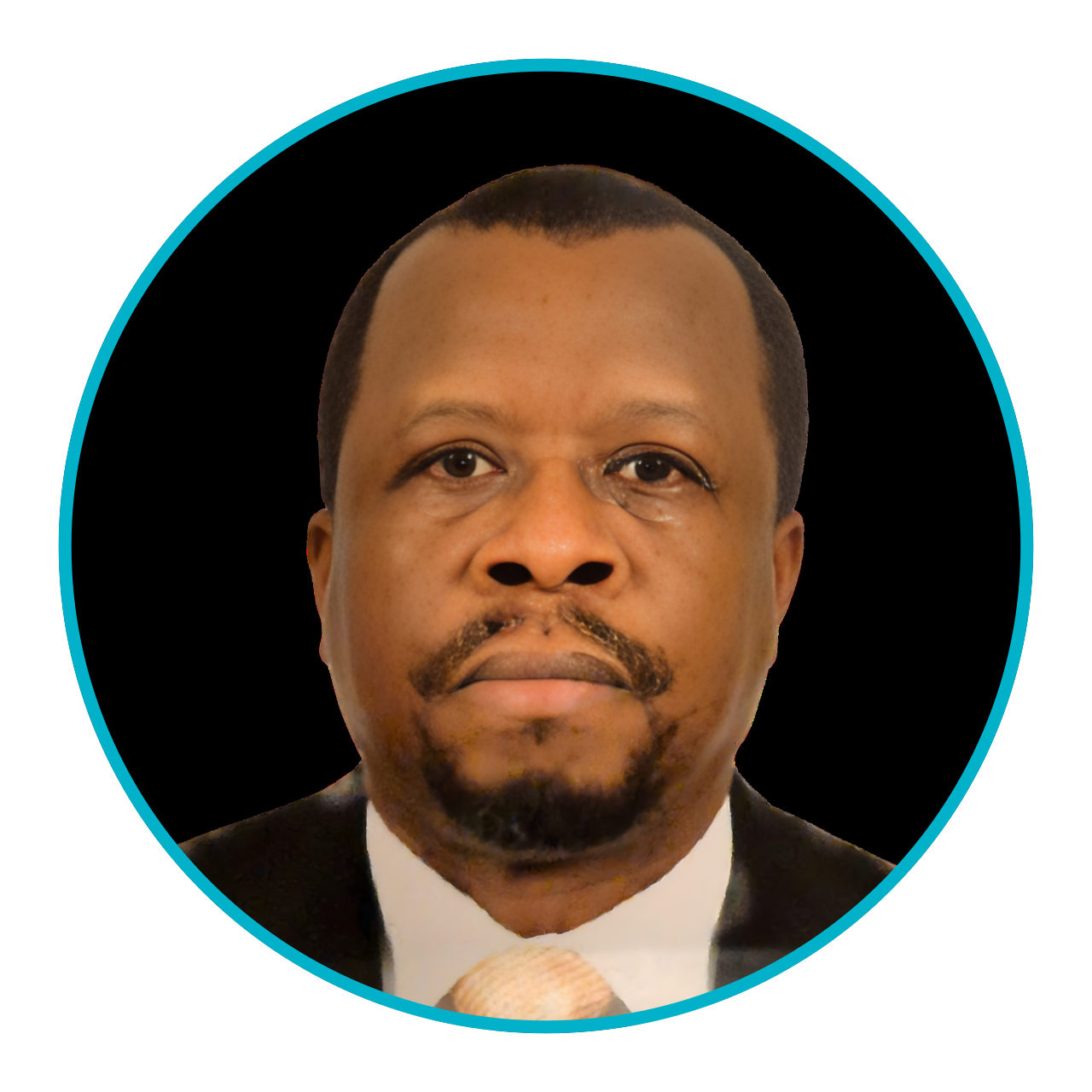
Mr. Romel Troissou
Director, Department of Economic Studies and Forecasts, Haiti
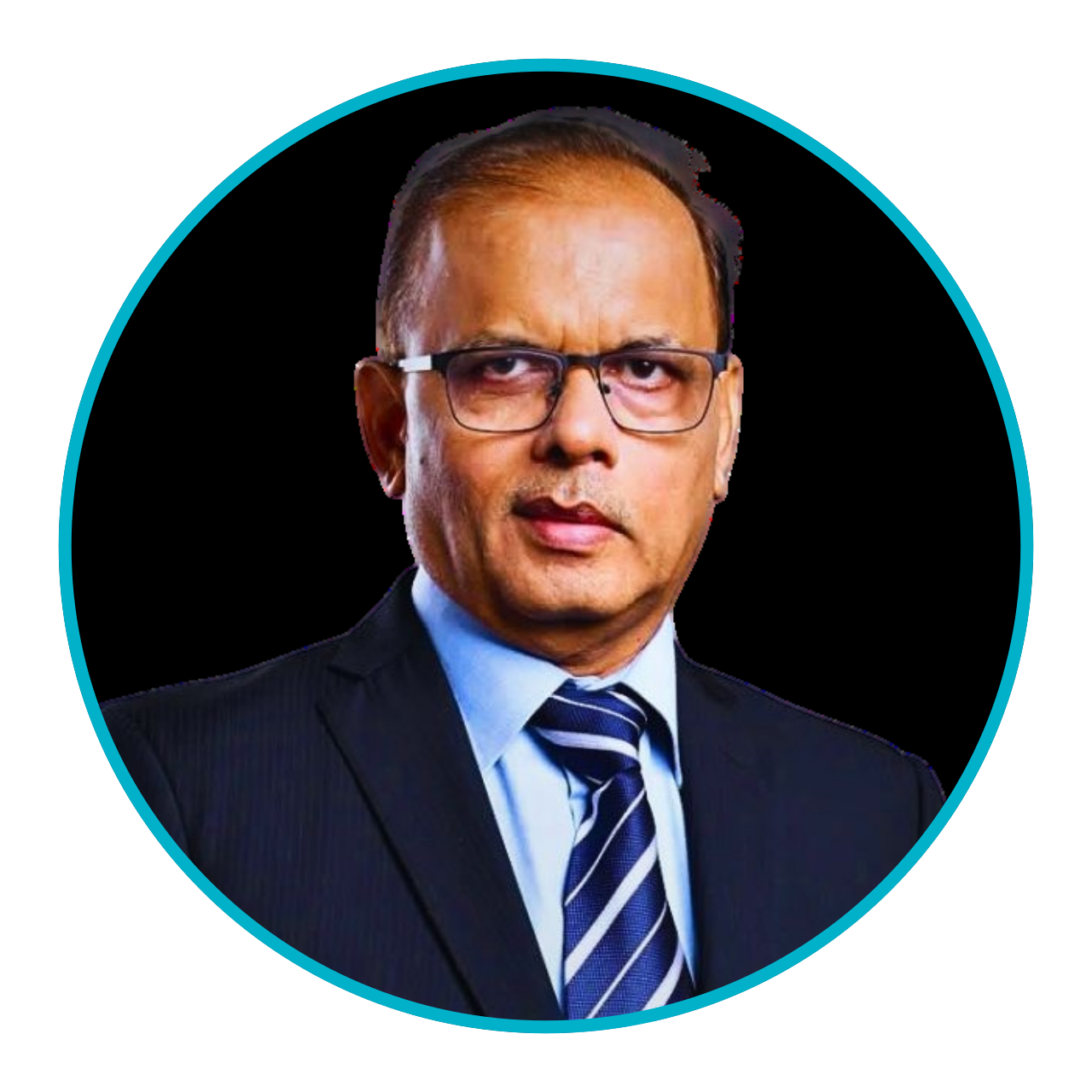
Mr. Rohit Ramnawaz
Director-General, Mauritius Tax Authority, Mauritius

Mr. Edmundo Maria Fraga Guterres
Director, Tax Justice, Tax Authority, Timor Leste
This session discusses opportunities of regional collaboration on DRM in SIDS, particularly in light of shared economic and geographic characteristics and capacity constraints. Participants will identify the main benefits of collaboration, outline key institutional and political roadblocks, and discuss options for strengthening collaboration and sharing good practices. Regional bodies and participating countries will be invited to present proposed roadmaps for enhancing regional collaboration, including a set of streamlined and practical objectives.

Ms. Hazel Granger
Senior Research Fellow and TaxDev Programme Lead, ODI Global

Mr. Emeka Nwankwo
Head, Member Services, African Tax Administration Forum

Dr. Sandeep Bhattacharya
Head of Asia Pacific Tax Hub, Asian Development Bank

Ms. Cathrine Purcell
Assistant Commissioner, International Relations, Australian Taxation Office
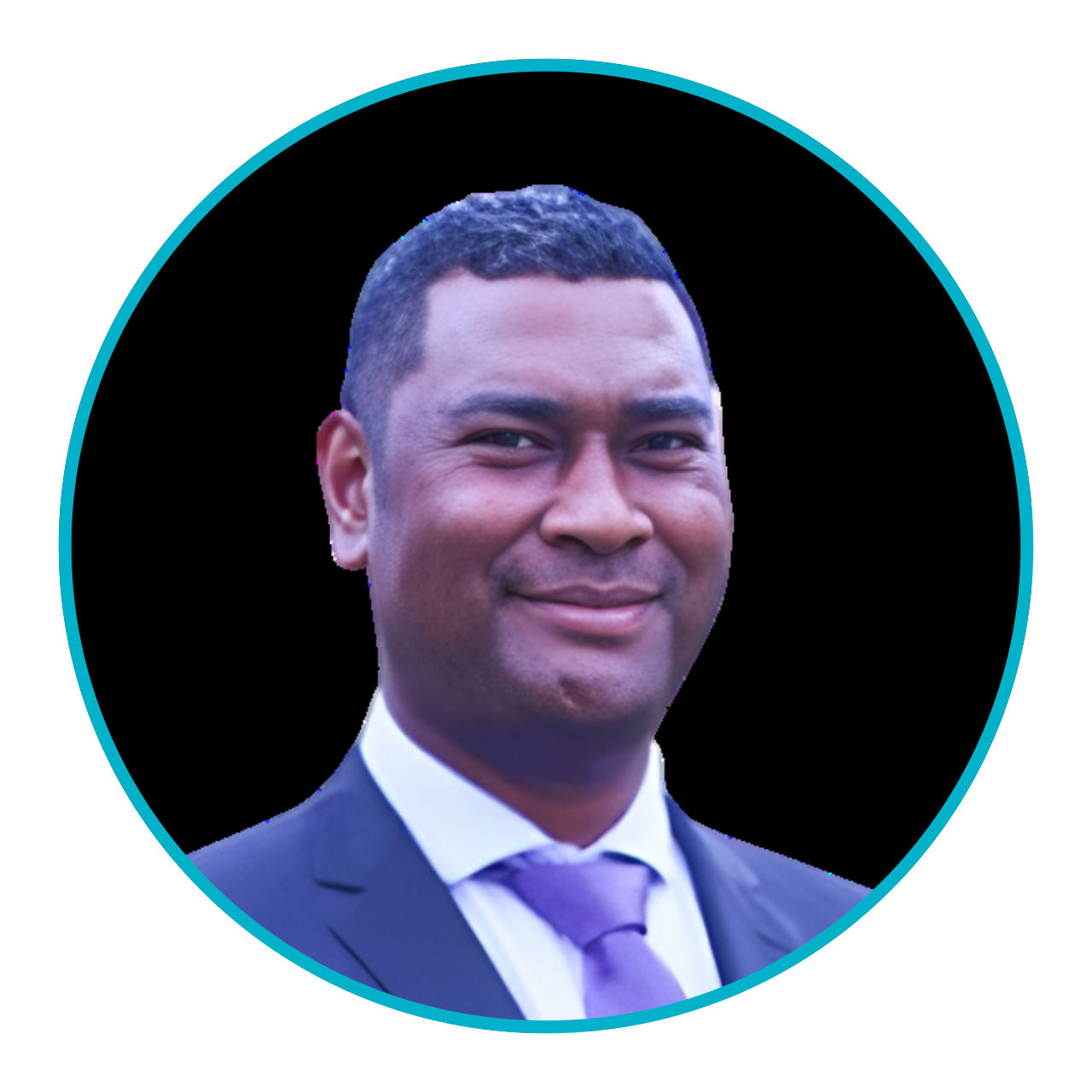
Mr. Petero Maivucevuce
Head of Secretariat, Pacific Islands Tax Administrators Association
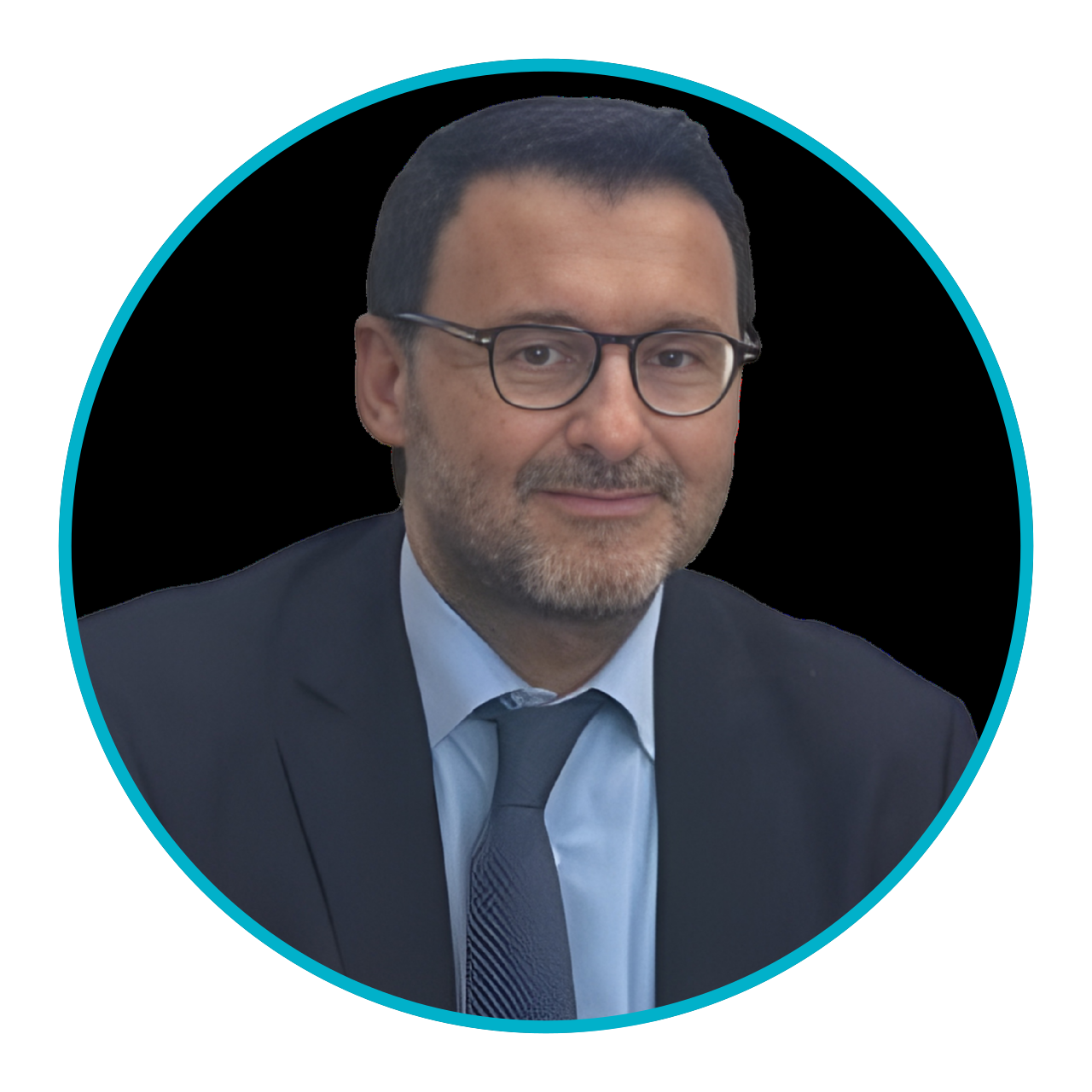
Mr. Harry Tonino
Head of Global Relations and Development Division, Center for Tax Policy and Administration, OCED
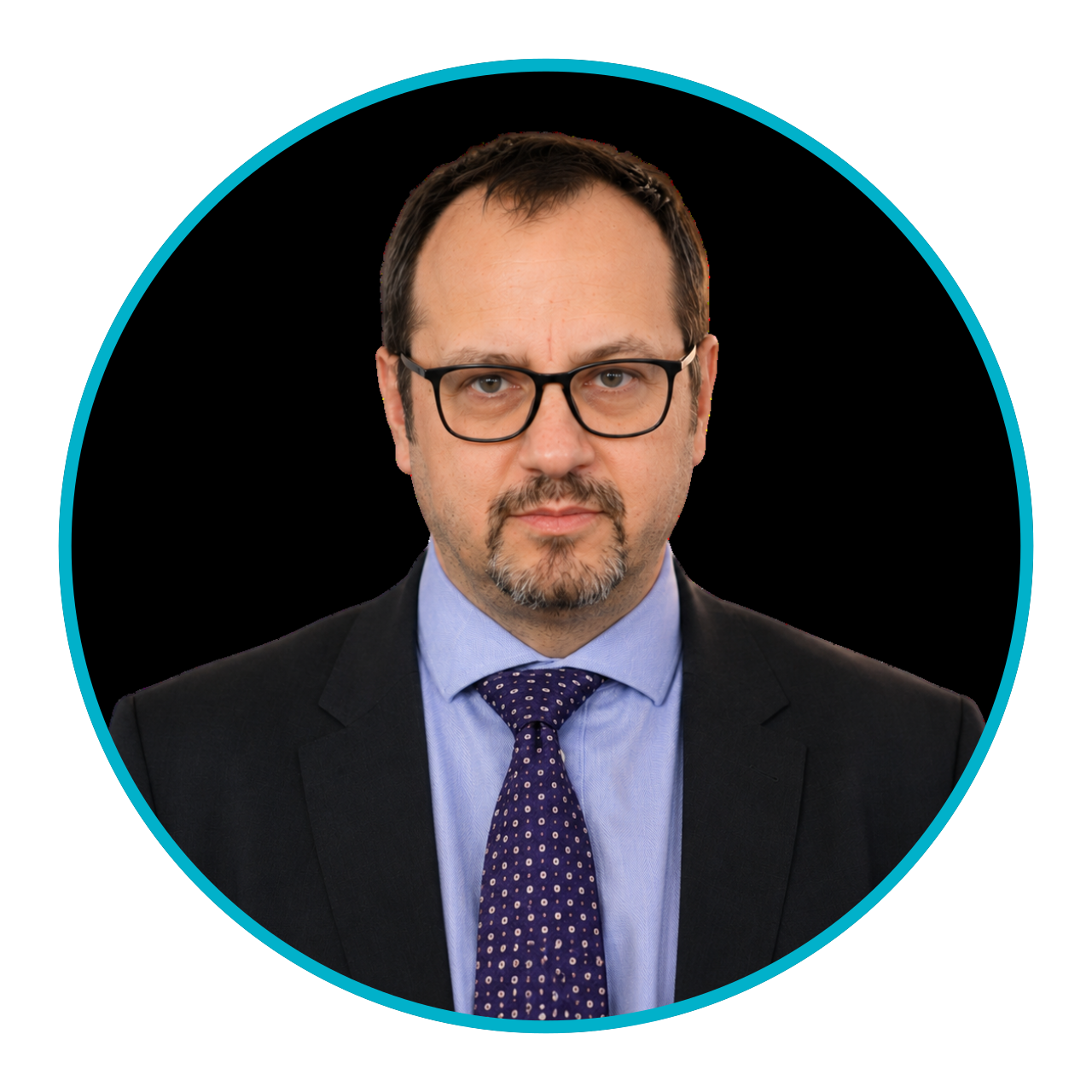
Mr. Stefano Curto
Manager, Fiscal Policy, World Bank Group
Wednesday, March 4 will be dedicated to Development Partner Meetings at the Japan Ministry of Finance. Separate and sequential meetings of the OECD Advisory Steering Group, the PCT Partnership Council, the WBG Global Tax Program Semi Annual Steering Committee, and the IMF GPFP Steering Committee will take place, with breaks and lunch in between. These meetings are open to all donor counterparts who wish to listen in, regardless of their contribution status.
Download Agenda
On March 4th and 5th, the World Bank Group will launch the Mobilizing Domestic Revenues Impact Program (DRM Impact Program) in Tokyo, Japan, with a focus on tax incentive reform.
Download Agenda
This high-level meeting on Domestic Revenue Mobilization (DRM) in Small Island Developing States (SIDS) convened by the Platform for Collaboration on Tax brings together Ministers and senior officials, international organizations, and regional partners to discuss critical and unique DRM challenges for SIDS. As many SIDS confront narrow tax bases, high exposure to external economic and environmental shocks, and capacity constraints in their tax administrations, strengthening domestic revenue systems is essential for fiscal sustainability, resilience, and development financing. The event provides a platform to share experiences, identify common challenges, and explore practical policy and administrative approaches, with a strong emphasis on collaboration at national, regional, and international levels.
Download Agenda